
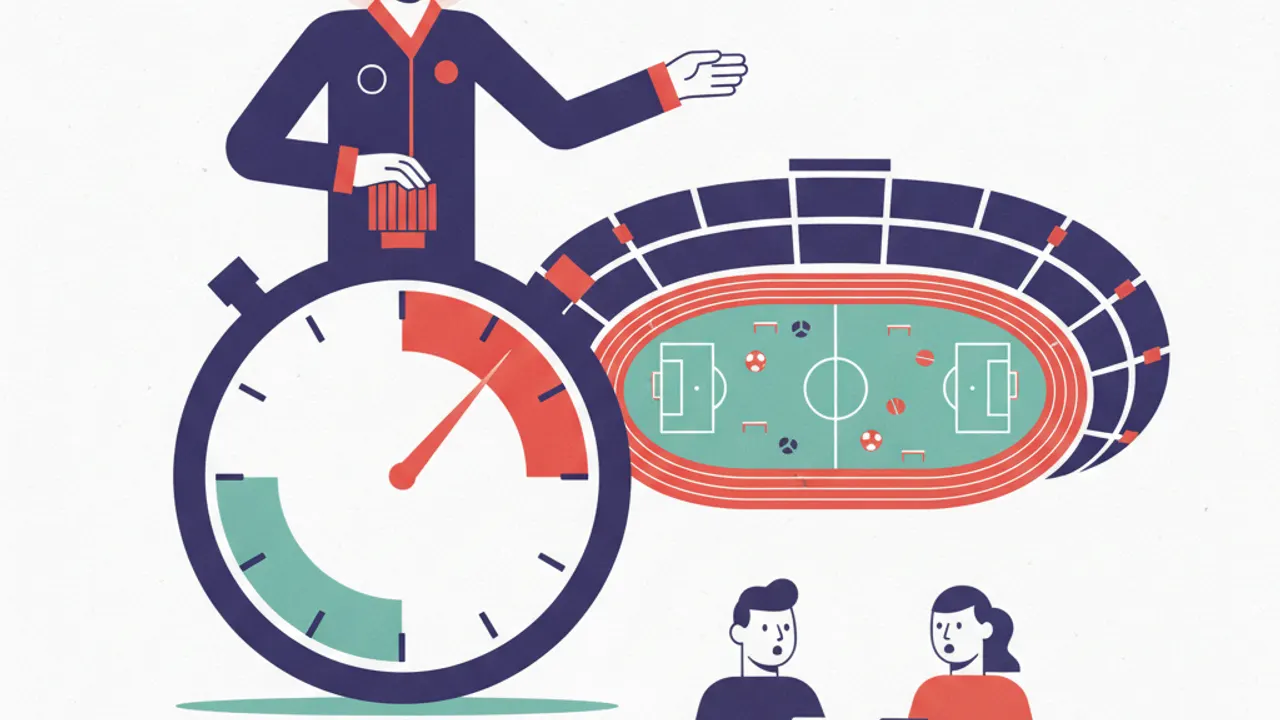
Artificial intelligence in professional sports is shifting from post-match data analytics toward active decision support during live competitions. An industry report by consulting firm PwC outlines this transition toward agentic AI as a fundamental turning point for coaches and athletic directors. Instead of relying on static spreadsheets and delayed video reviews, teams are increasingly turning to systems capable of autonomously calculating operational choices and proposing tactical adjustments in real time. The focus is moving from mere historical documentation to proactive tactical advice delivered directly to the sideline.
Sports executives view the scale of this technological transformation as extraordinarily significant. According to the PwC survey, 75 percent of surveyed sports and technology leaders consider AI agents to be a more profound shift for game preparation than the advent of the internet. While earlier digitization waves primarily sped up information retrieval, autonomous agents directly participate in evaluating complex in-game scenarios. They process vast amounts of situational information within fractions of a second, fundamentally reshaping strategic preparation.
Initial implementations demonstrate how this transition is already taking shape on the field. In American professional baseball, the Oakland Ballers deployed an AI system that delivered real-time recommendations for batting lineups and fielding substitutions. Rather than relying solely on conventional intuition and delayed video reviews, tactical decisions incorporated calculated probabilities and live situational data directly into roster management. This demonstrates that algorithms are already participating in choices that were traditionally reserved exclusively for human coaching staffs.
Across the National Football League, sideline technology is undergoing a similar evolution. Sideline tablet systems have been enhanced with Microsoft Copilot to assist coaching staffs in analyzing opposing formations more rapidly. The system automatically pre-filters video sequences based on the most recent plays, allowing coordinators to pull up matching counters within seconds. This automated indexing saves critical time during high-pressure moments between downs, eliminating the need to manually search through video archives.
Despite this rapid technical momentum, league managers have reached a clear consensus regarding the natural boundaries of algorithmic coaching. Head coaches remain indispensable when it comes to personnel leadership, team culture, and emotional motivation, areas where algorithms cannot replace human judgment. Instead, AI functions as a fully integrated digital assistant coach with real-time access to terabytes of historical and live tracking data, equipping human decision-makers with instant, evidence-based options.