
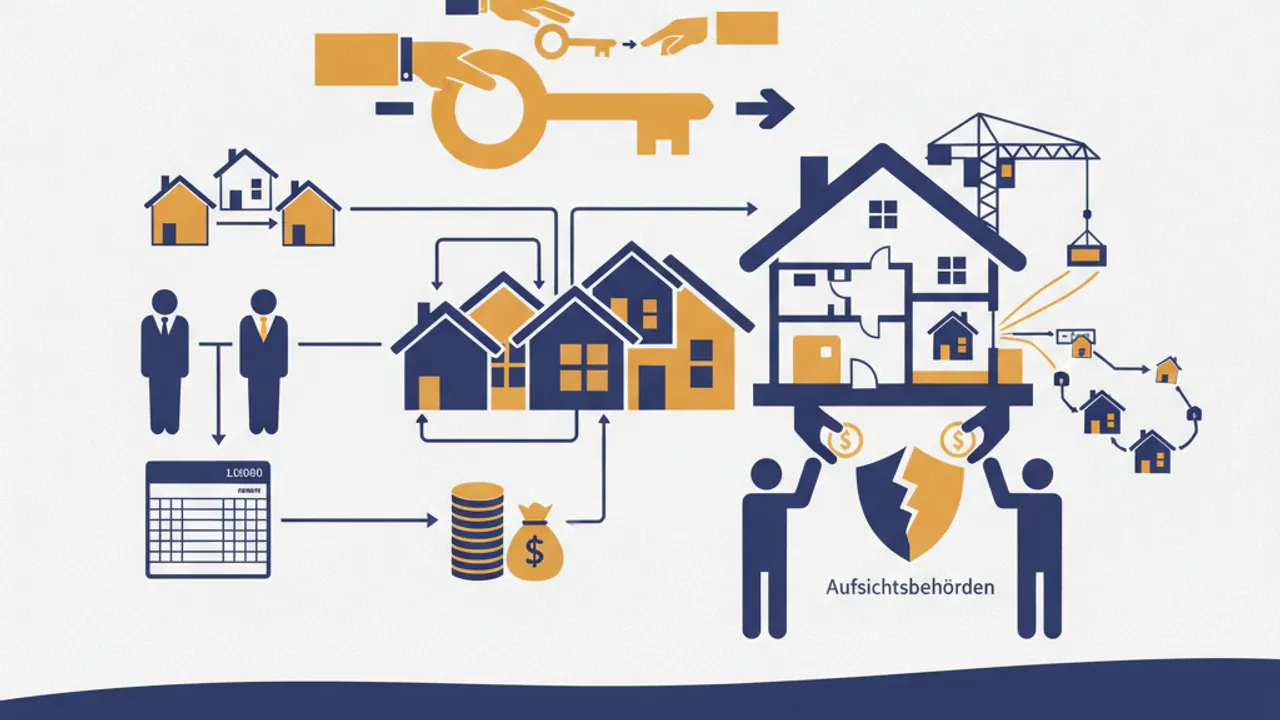
The real estate industry is undergoing a fundamental paradigm shift in the digital transformation of its transaction workflows during autumn 2026. While commercial brokers and residential agencies relied heavily in recent years on generative language models for drafting property descriptions or basic virtual staging, autonomous software systems are now entering core operations. On October 15, 2026, the trade publication Inman published a comprehensive industry analysis detailing this shift from passive suggestion tools to autonomous acting agents. This transition places real estate brokerages before unprecedented strategic and organizational challenges as software moves from offering advice to taking concrete operational actions.
At the center of Inman's analysis lies the pressing need to define enforceable liability boundaries for the practical deployment of autonomous brokerage agents. Modern agentic systems can already conduct initial negotiations with potential buyers, coordinate preliminary checks, and prepare standardized contract drafts. Real estate firms are therefore forced to establish precise workflow thresholds where automated execution must yield to mandatory human judgement. Implementing a robust human-in-the-loop requirement is quickly becoming essential to prevent costly legal disputes and liability claims stemming from flawed contractual clauses or misrepresented terms.
This technological surge coincides with heightened regulatory scrutiny targeting unchecked artificial intelligence practices in property marketing. Between October 13 and 15, 2026, consumer protection and real estate regulatory bodies issued binding best-practice guidelines designed to curb AI-driven misrepresentation in listings. The intervention was prompted by the expanding use of generative visuals, including the insertion of photorealistic synthetic people into property photos and the alteration of floor plans without disclosure. The new official standards require mandatory, transparent labeling for all algorithmically modified visual materials to ensure prospective buyers are not misled by distorted room proportions or fabricated environments.
The accelerating push toward agentic automation extends well beyond daily brokerage workflows into the realm of commercial real estate finance. According to the October 2026 findings of the New Market Pitch PropTech Funding Tracker, early-stage venture capital is flowing steadily into vertical decision-intelligence platforms. Startups such as DLAnalyzer and Diald closed fresh seed funding rounds to fully automate commercial debt underwriting and deal audits using specialized agentic models. Venture investors are betting that these automated analytical layers can dramatically reduce manual review times while minimizing human oversight errors during high-value lending assessments.
These workflow innovations are complemented by developments in algorithmic property valuation and risk forecasting. In mid-October 2026, Heidelberg-based deep-tech startup Kausable gained significant industry attention by deploying causal world models for dynamic ESG risk management and asset valuation. Unlike conventional statistical language models, causal architectures map genuine cause-and-effect relationships and adapt to changing economic conditions without demanding costly model retraining. Pairing causal models with agentic automation could allow real estate firms to factor market volatility and sustainability compliance into transaction pipelines without operational latency.
For brokerage leadership and asset managers, these combined developments signal the conclusion of the purely experimental phase of generative software. Companies must restructure their internal operational controls to safely embed autonomous transaction agents into existing client workflows. Failing to establish auditable verification protocols and mandatory human sign-offs for agent-driven actions exposes firms to regulatory sanctions and reputational damage. The future of property brokerage will ultimately belong to a hybrid model where intelligent agents execute labor-intensive analysis and drafting, while ultimate legal responsibility and negotiation strategy remain firmly in human hands.