
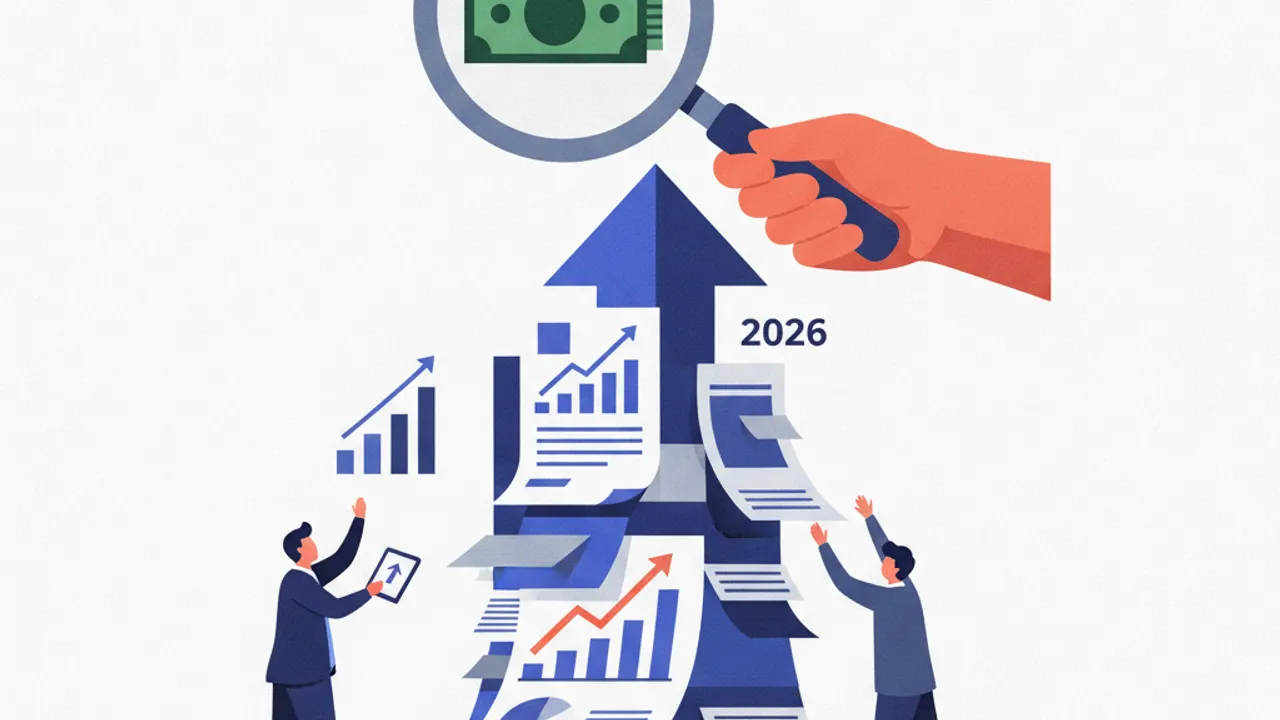
The German digital association Bitkom, drawing on research from market intelligence firm IDC, has released new spending figures for the German AI sector. In 2026, German companies are projected to spend 28.7 billion euros across AI hardware, software, and related services. This represents a 48 percent increase compared to 2025, when total spending stood at 19.4 billion euros. Following this sharp rise, artificial intelligence now accounts for nearly 17 percent of all IT expenditure across German businesses.
The primary catalyst behind this spending surge is generative AI. Investments in generative tools are doubling within a single year, climbing from 5.7 billion to 11.5 billion euros. Consequently, generative systems now make up approximately 40 percent of the total German AI market. The technology has rapidly moved beyond experimental pilot projects into recurring operational enterprise budgets.
A detailed look at spending segments indicates that software investments are seeing the fastest expansion. Software accounts for 16 billion euros, representing more than half of all expenditure and reflecting a 65 percent year-over-year increase. IT services represent 6.8 billion euros with a 30 percent growth rate, while hardware investments reached 5.8 billion euros, up 32 percent.
Market analysts view this distribution as a sign of structural maturity across corporate adopters. Following initial capital commitments to processing hardware, the focus has pivoted to specialized enterprise software and system integration. Organizations are customizing foundational models for proprietary workflows and connecting them to internal knowledge bases. This shift continues to fuel demand for external IT consultancies and service providers to manage complex deployments.
The growth trajectory appears poised to continue through the near future. According to the IDC Worldwide AI and Generative AI Spending Guide, German AI spending is projected to expand by another 40 percent in 2027. That expansion would push the annual national market volume past 40.3 billion euros for the first time. Such sustained capital allocation demonstrates that enterprises view machine intelligence as an indispensable component of long-term IT infrastructure.