
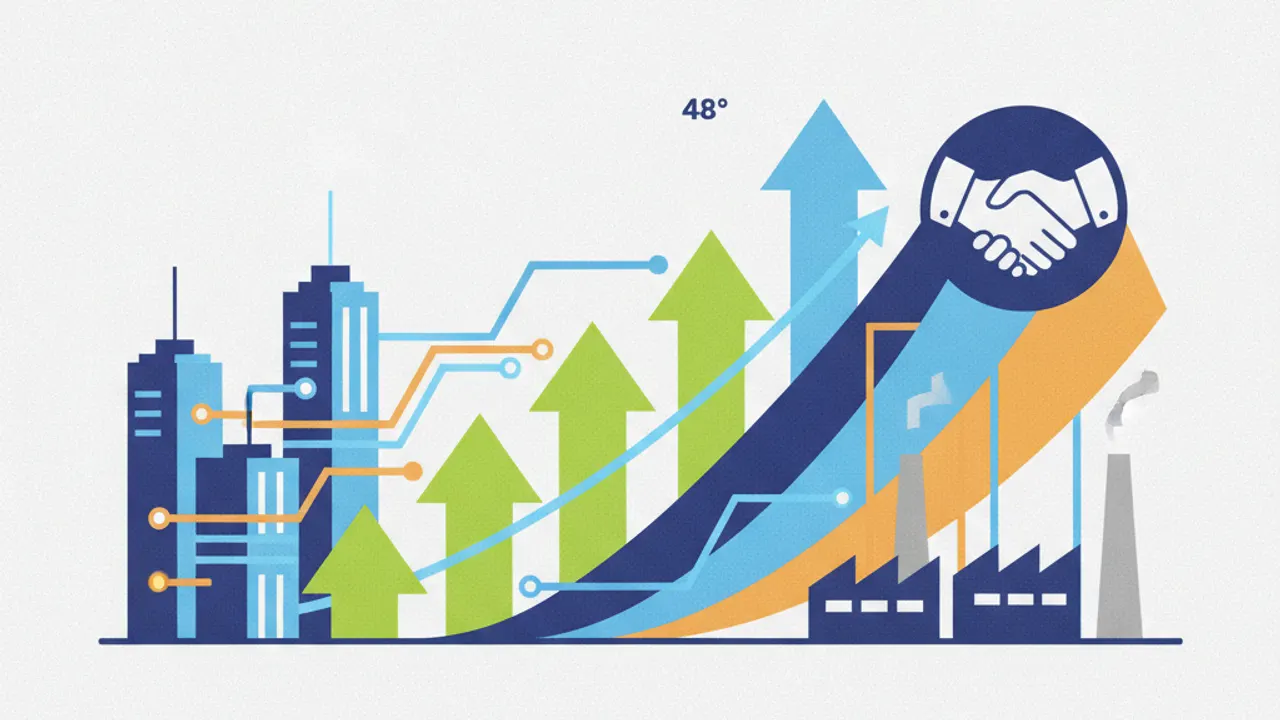
Spending on artificial intelligence across Germany is surging significantly in 2026. According to a market survey published by digital association Bitkom based on IDC data, expenditures on AI software, hardware and related services will grow by 48 percent to reach 28.7 billion euros this year. In 2025, total spending stood at 19.4 billion euros. This notable increase reflects accelerated adoption across diverse business sectors.
The generative AI segment represents the strongest growth driver within the domestic market. Expenditures in this subfield are expected to double from 5.7 billion to 11.5 billion euros, representing approximately 40 percent of overall German AI investments. Specialised AI software remains the largest single category, expanding by 65 percent to reach 16.0 billion euros.
Bitkom President Ralf Wintergerst highlighted the underlying structural shift during the report's presentation. German industry has noticeably moved beyond preliminary exploration during the autumn of 2026. Enterprises are now embedding artificial intelligence into core productive operations to ensure sustained productivity gains and accelerated workflows. Bitkom projects market expenditures to exceed 40 billion euros by 2027.
This corporate investment surge coincides with record activity across Germany's entrepreneurial ecosystem. The German Startup Monitor 2026, released in late September, counted a total of 39 unicorns nationwide. Ten new billion-dollar startups emerged before the close of the third quarter alone. This marks the fastest pace of new unicorn creation in the country since the previous record period in 2021.
Venture capital metrics highlight a parallel resurgence in investor commitments. German startups raised approximately 8 billion euros in venture funding by late September 2026, already surpassing the 7.5 billion euros recorded across the entirety of 2025. This momentum is largely propelled by enterprise B2B platforms alongside software geared toward defence and supply chain resilience.
Simultaneously, industrial stakeholders and policymakers are focusing on deployment standards. At the WELT AI Summit in Berlin, Digital Minister Karsten Wildberger and business representatives argued that Germany should specialise in highly reliable, industrial-grade systems. Industry representatives also called for a cohesive, streamlined implementation of the EU AI Act to give small and medium-sized enterprises clear legal guidance.