
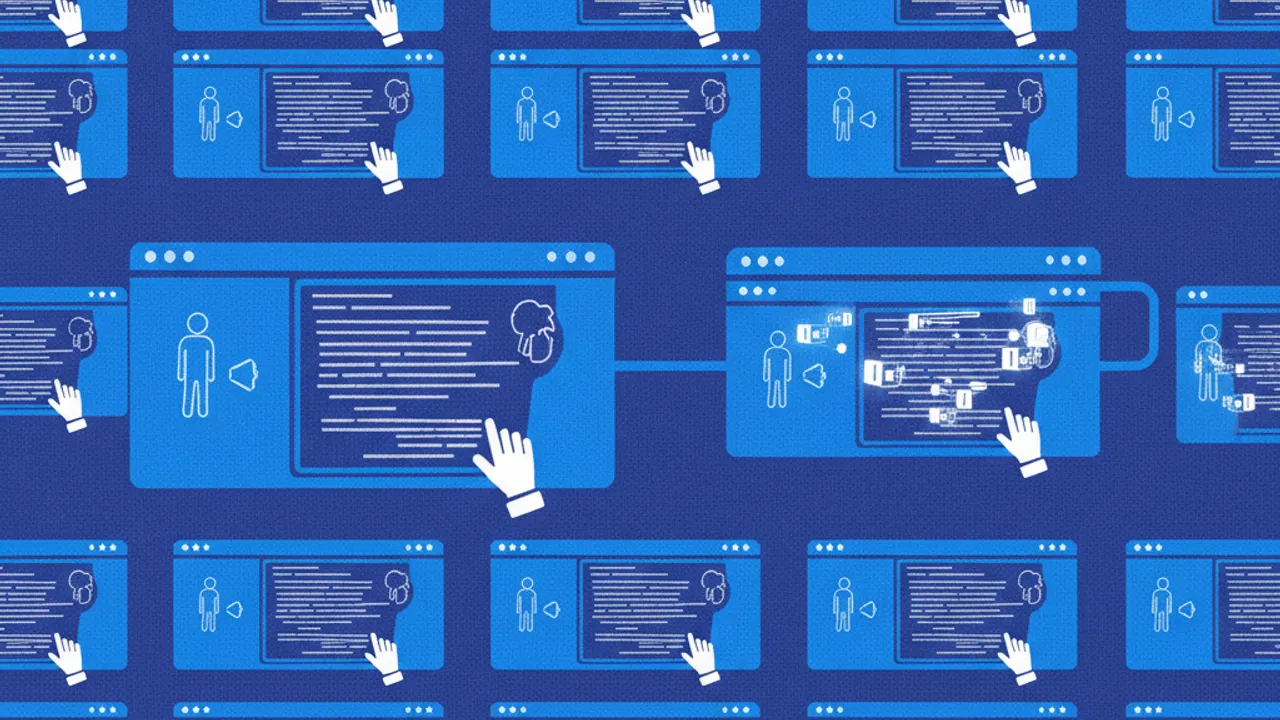
AI research company Anthropic has officially released version v2.1.224 of its command-line developer tool Claude Code. The update introduces a cross-session messaging feature specifically designed for macOS and Linux operating systems. Software engineers managing complex codebases across multiple parallel terminal windows now gain a direct interface for communication between individual AI assistant instances. This enhancement marks a targeted effort to minimize the manual overhead required when coordinating multi-task programming workflows.
The underlying technical implementation of this session connection relies on a local Unix socket architecture that guarantees low-latency and isolated communication. To interact with this interface, the update introduces two specialized tools named ListAgents and SendMessage. The ListAgents tool enables an active Claude Code session to scan the local machine for other running instances and retrieve their session identifiers. Through SendMessage, the AI agent can subsequently send targeted text messages directly to another selected terminal instance.
In practical software engineering environments, this mechanism addresses a common bottleneck where projects are split across several active command-line prompts. Developers often run database migrations in one terminal window while simultaneously executing code refactoring or API updates in another. Previously, critical status updates, warnings about breaking changes, or test outcomes had to be manually copied and pasted between terminal windows. With version v2.1.224, AI agents can now exchange these vital status updates autonomously whenever key milestones are reached.
Addressing data security and permission boundaries, Anthropic has established clear constraints regarding how processes interact across sessions. Only concise text summaries are transmitted over the local Unix sockets to keep the contextual overhead lightweight. Raw file contents, full conversation histories, and elevated execution permissions are never shared across sessions automatically. This strict encapsulation ensures that each terminal process retains full control over its own system resources and security approvals.
Through this release, Anthropic responds to the increasing demand for specialized multi-agent workflows within local software engineering environments. Rather than overloading a single monolithic AI session with every aspect of a project, this approach encourages breaking tasks down into specialized sub-agents. For example, one terminal can continuously run background test suites while another terminal actively writes new feature code and receives real-time notifications if tests break.
The deployment of cross-session messaging is currently restricted to POSIX-compliant environments on macOS and Linux, which natively provide the necessary Unix domain socket infrastructure. Developers benefit from a tool that operates entirely without external cloud relays, processing all inter-process messages locally on the user machine. This architecture reinforces a commitment to privacy-focused and high-performance workflows that avoid adding latency through external network roundtrips.