
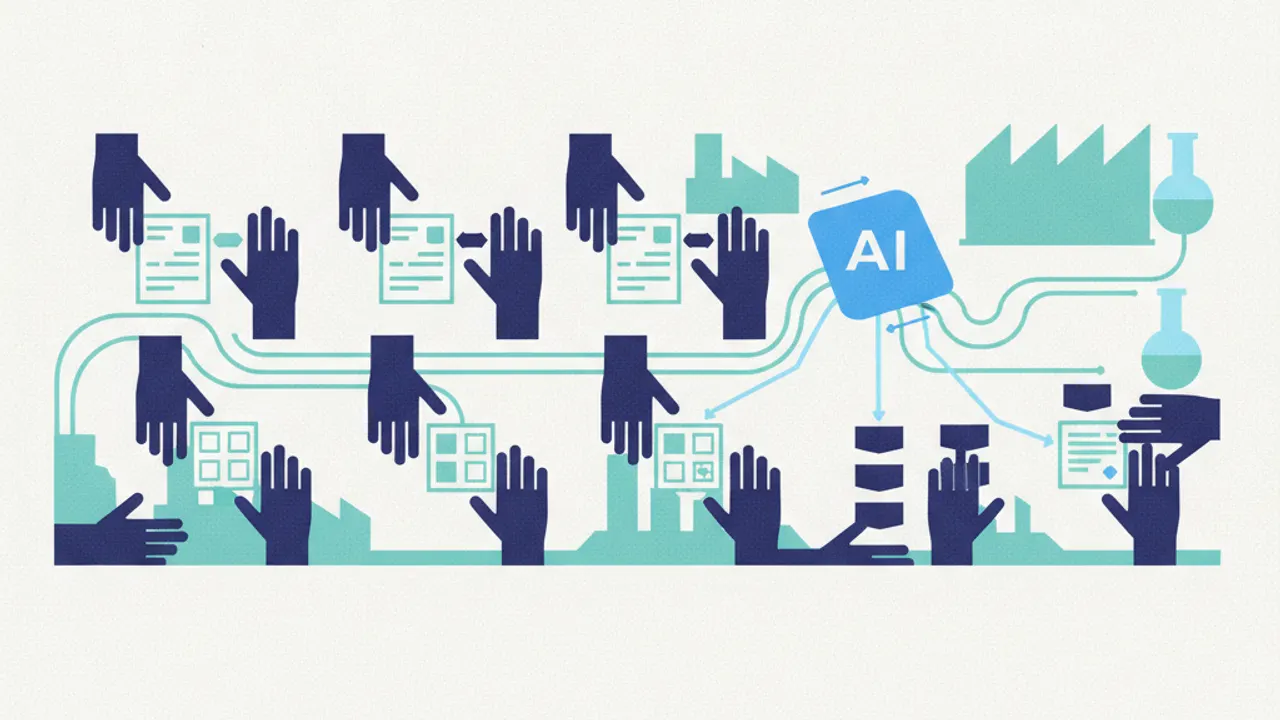
Health systems and technology startups have begun deploying artificial intelligence across diverse medical environments. These tools operate in settings extending from pediatric research facilities to connected smart hospitals. Their integration helps medical personnel reduce the time spent on repetitive duties and devote more direct attention to patient care.
Current use cases range from matching qualified patients to clinical trials to providing diagnostic support for practicing radiologists. Furthermore, artificial intelligence systems assist inpatient hospital teams as well as individuals managing their care at home. Across all of these implementations, clinicians remain positioned at the center of the process to review system outputs.