
Small and medium-sized enterprises in Germany have moved beyond casual experimentation with generative text tools and are accelerating the systematic integration of automation technologies into everyday operations. According to the 'SME AI Index 2026', published on October 27, 2026, by the German SME Association (DMB) and enterprise software provider Salesforce, 51.2 percent of mid-sized firms in Germany are now using or actively testing artificial intelligence solutions. This represents a 54 percent increase compared to the previous year and highlights the expanding footprint of digital assistance systems across traditional sectors.
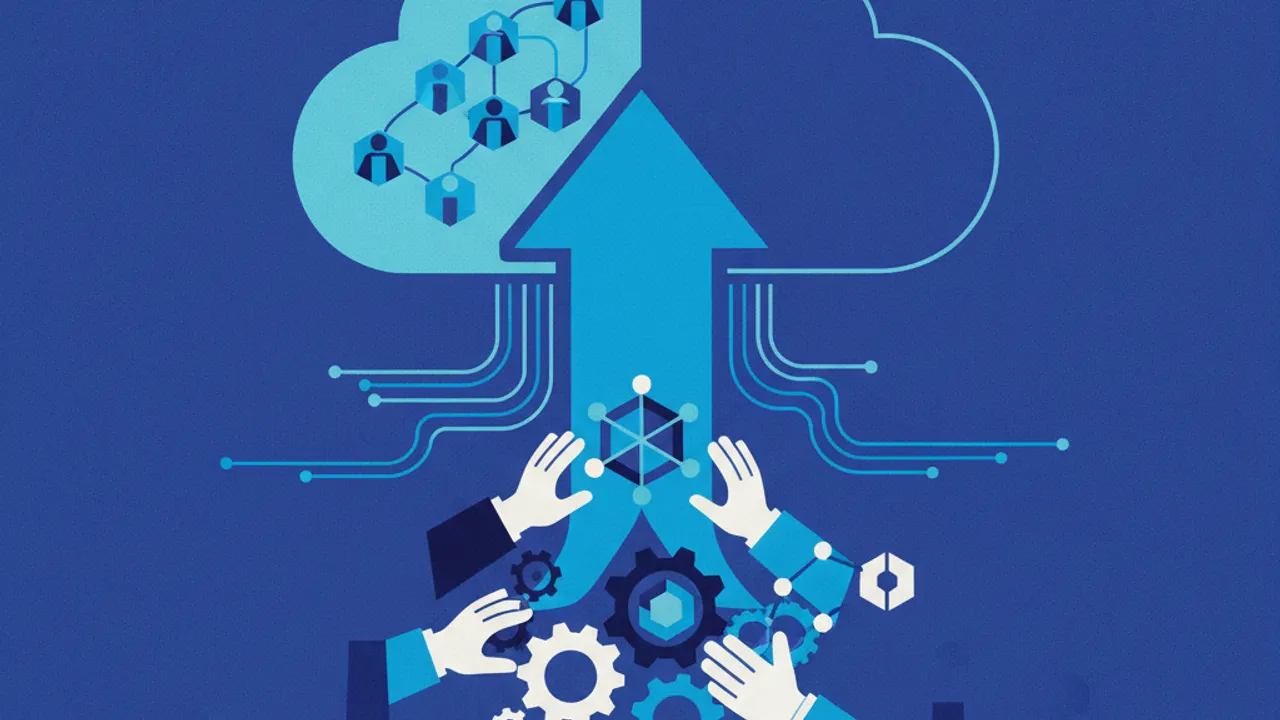
The sharpest acceleration is occurring in autonomous AI agents that operate far beyond simple query-and-response interfaces. Fully 16.6 percent of surveyed small and medium-sized enterprises already deploy agentic systems capable of autonomously orchestrating and executing multi-step business workflows without manual intervention. This share has doubled within just twelve months. The trend is predominantly driven by the desire to fully automate routine operational pipelines across customer service, preliminary accounting, and logistics.
Complementing these findings, an analysis released in late October 2026 by Bitkom Research titled 'AI in the Economy 2026' demonstrates that these technology investments are translating directly into financial performance. Two-thirds of companies actively utilizing artificial intelligence report a distinct strengthening of their competitive market standing. Nearly half of respondents, exactly 48 percent, achieved substantial reductions in internal cycle times, while 45 percent recorded a measurable positive contribution to operating margins and earnings before interest and taxes.
An examination of primary application domains reveals a decisive pivot away from isolated tools toward deep architectural integration. The proportion of enterprises using AI for internal knowledge management doubled from 11 percent in 2025 to 22 percent in 2026. Simultaneously, 20 percent of surveyed organizations now embed intelligent models directly into their own end-customer products, equipping client offerings with proactive features and automated workflows.
This shift toward robust automation architectures is reshaping organizational priorities and management metrics. Rather than tracking vanity measures such as the volume of AI-generated content, corporate decision-makers are demanding demonstrable returns on investment and high process reliability. Priority use cases in sales and supply chain management focus on automated data reconciliation and scheduling, where agents bridge gaps between customer relationship management and enterprise resource planning systems.
The latest industry figures illustrate a broader consolidation across enterprise technology. For Germany's Mittelstand, 2026 represents the turning point from pilot installations to pragmatic infrastructure deployments, in which software agents act as autonomous administrative team members, partially mitigating persistent labor shortages in operational workflows.