
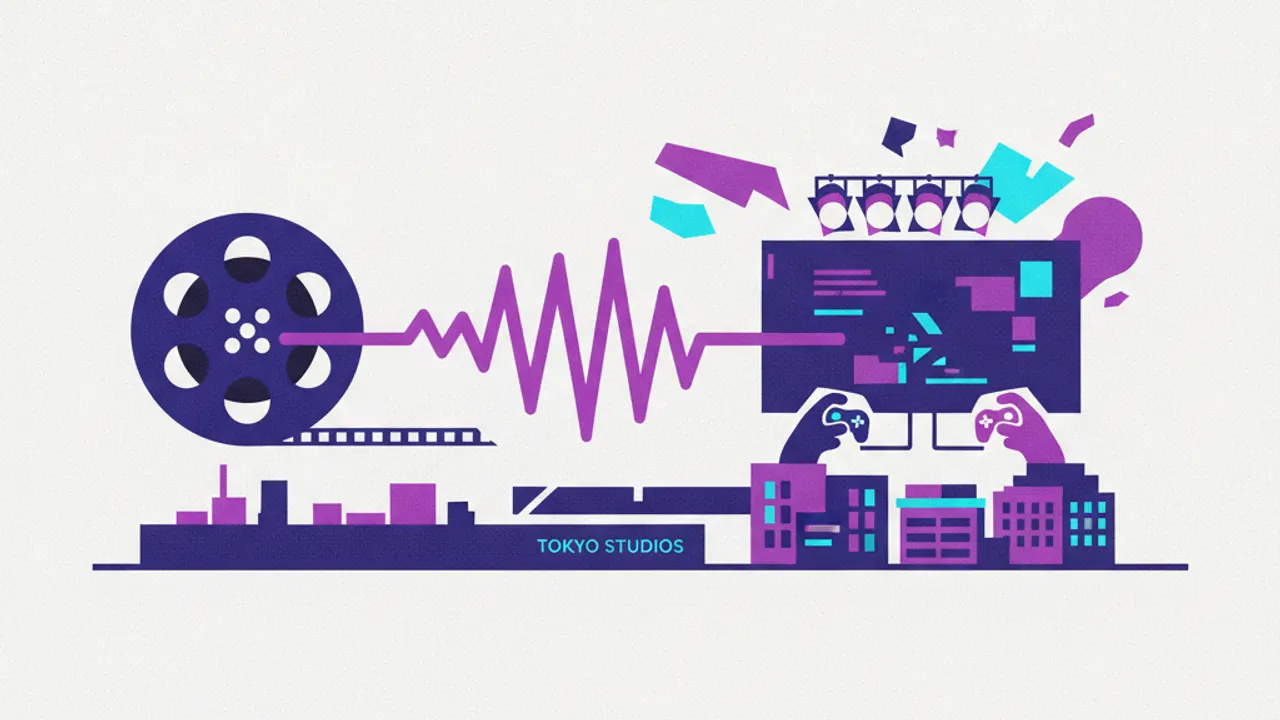
The international film and animation industry is experiencing a noticeable transition from experimental technology demonstrations to institutionalized production pipelines. Major studios are beginning to integrate generative systems directly into their commercial workflows to accelerate delivery and reduce expenses. In animation and visual effects, specialized operational units and cross-border partnerships are rapidly emerging.
A key example is Imagine Entertainment, the production house founded by Ron Howard and Brian Grazer, which is actively expanding its Obsidian division. The unit is currently developing the AI-supported animated feature 'The Code'. Executive Producer D. Ryan Reeb estimates that deploying generative asset and animation tools lowers overall production costs by 30 to 40 percent compared to conventional animation pipelines.
Alongside developments in the United States, new production structures are taking shape in Asia. In mid-August 2026, the studio Internet Cinematic launched in Tokyo, having spun out from the Bengaluru-based research laboratory LocalHost HQ. The venture focuses on establishing standardized AI-assisted workflows tailored specifically for bilateral co-productions between India and Japan.
The primary operational objective of Internet Cinematic is the automation of labor-intensive visual effects tasks. These include rotoscoping, rendering iterations, and dynamic scene extensions. By delegating these repetitive technical procedures to dedicated models, studios aim to shorten turnaround schedules while retaining full creative control over the final visual output.
The creative maturation of these methods was also visible at the Runway AI Film Festival in Tokyo. Independent filmmakers showcased hybrid and fully generative short films, such as 'The Postman'. The event highlighted how independent cinema is increasingly leveraging generative tools for cohesive storytelling rather than relying on novelty technical demos.
These simultaneous moves in Los Angeles and Tokyo reflect an overarching industry trend toward pragmatic integration. Rather than adopting unstructured text-to-video generation, studios are deploying modular assistance tools for in-betweening and mesh cleanups, positioning generative AI as a functional efficiency driver within traditional crafts.