
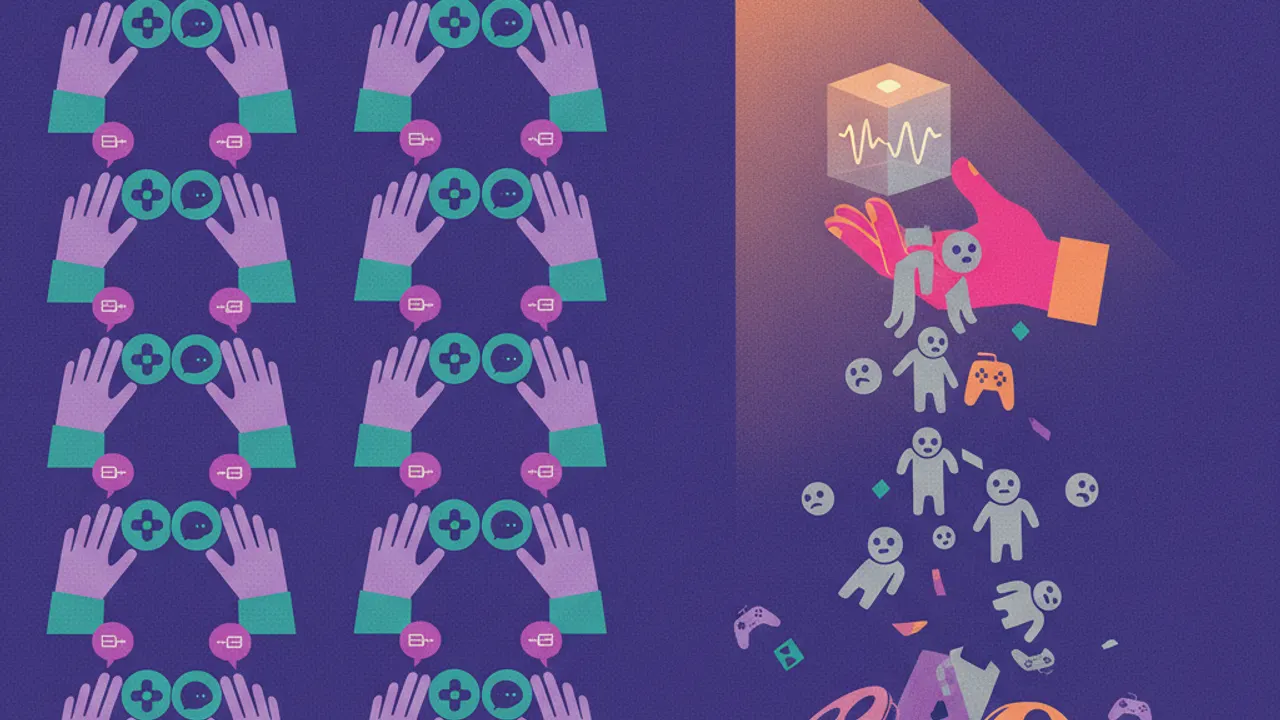
The integration of generative language models into interactive gaming worlds is advancing toward commercial reality. On November 20, 2026, Ubisoft's research and development division, Motherbrain, showcased a playable first-person shooter prototype named Teammates to industry media. The project illustrates how non-player characters powered by large language models can maintain long-term memory and comprehend game environments contextually. During gameplay, players issue complex real-time voice commands to two autonomous companion figures that coordinate tactical maneuvers independently.
Although the studio highlighted the technological breakthrough of the prototype, the timing of the demonstration triggered swift pushback. The announcement coincided with the disclosure of 166 layoffs across Ubisoft, amplifying fears among development staff about widespread automation. Industry observers and labor representatives questioned whether experimental artificial intelligence projects are displacing experienced human talent. In response, management suggested that autonomous systems are designed to deepen player engagement rather than eliminate creative roles within core production teams.
Ubisoft's prototype reflects a broader industry movement toward automated development workflows. According to the GDC Festival of Gaming annual adoption report published on November 12, 2026, 40 percent of game developers now regularly use generative artificial intelligence tools in daily studio operations. This figure represents an increase of four percentage points compared to 2025. The survey indicates that machine learning utilities have evolved from experimental curiosities into standard components of contemporary digital pipelines.
Current studio adoption concentrates primarily on asset and texture generation, rapid level prototyping, and programmatic code assistance. Conversely, disciplines such as narrative design and voice acting encounter substantial caution among studio leads. These creative domains face ongoing qualitative limitations, ethical friction, and emerging contractual restrictions across entertainment unions. Consequently, developers choose to deploy machine systems primarily to accelerate technical production while guarding traditional creative control over character dialogue and performance.
Beyond production workflow questions, developers confront severe legal hurdles regarding intellectual property ownership. Guidelines from the US Copyright Office and precedent from the DC Circuit Court of Appeals affirm that purely machine-generated outputs lack copyright protection without substantial human authorship. Studios that populate commercial titles with synthetic textures, 3D models, or procedural audio risk seeing those assets freely copied by competitors upon release. This legal standard leaves unedited synthetic content in the public domain, exposing commercial investments to immediate exploitation.
Game creators are consequently forced to balance technical innovation against long-term commercial protection. While competitive pressures encourage studios to accelerate content creation through generative software, preserving proprietary rights demands exhaustive tracking of human creative contributions. Prototyping initiatives such as Teammates show the dramatic gameplay possibilities unlocked by intelligent non-player characters. However, until regulatory and corporate structures resolve ownership boundaries, major publishers will likely proceed with calculated caution.