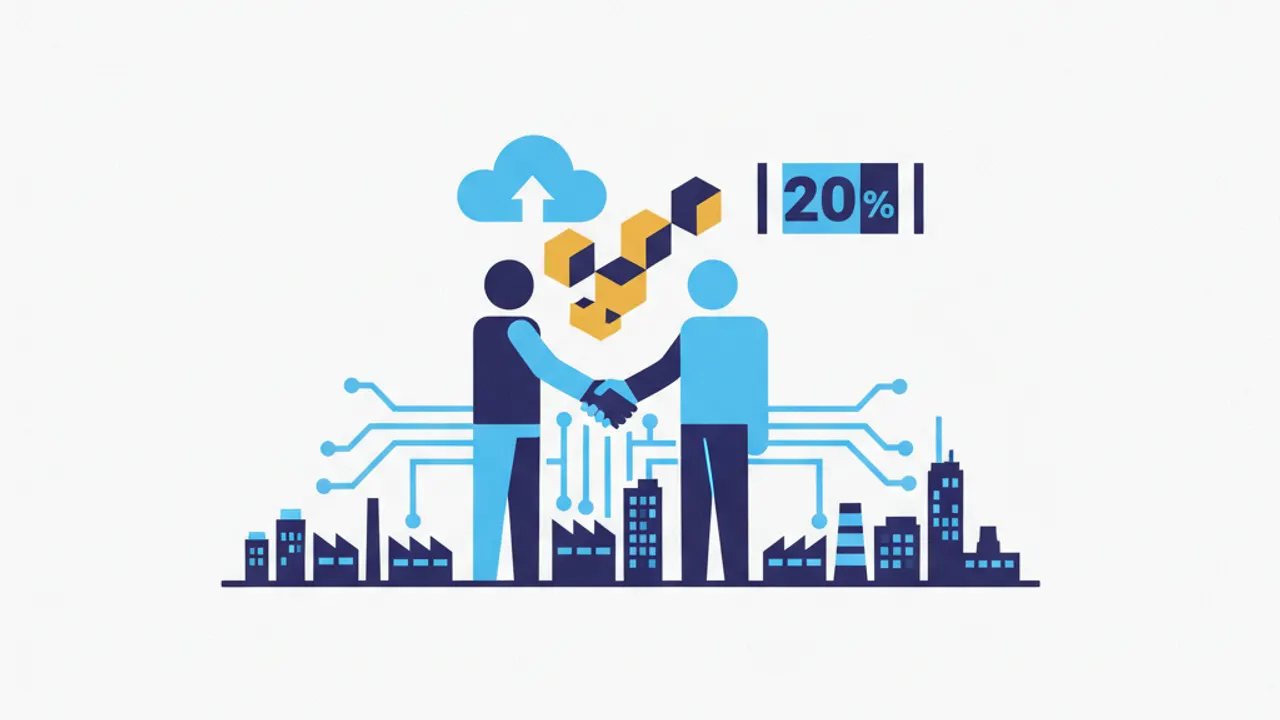
The integration of artificial intelligence across small and medium-sized enterprises in Germany reached a measurable benchmark in the summer of 2026. According to a special analysis published by KfW Research, exactly 20 percent of all medium-sized companies in Germany now deploy at least one AI technology. Low-threshold tools for generating natural language are the most widespread, finding application in 14 percent of businesses. Micro-enterprises with fewer than five employees are also keeping pace, with 13 percent already relying on language models. However, complex systems such as advanced data analytics or autonomous control mechanisms remain rare exceptions at three and one percent, respectively.
The findings clearly indicate that easy access to generative software has lowered the initial barrier to entry for many commercial operations. Nevertheless, the majority of business leaders continue to face practical hurdles when attempting to scale these tools in daily workflows. KfW identifies the identification of concrete, practical use cases as the primary obstacle for smaller firms. Without targeted training and accessible advisory services, many corporate initiatives remain stuck at the pilot project stage. Low-threshold informational support currently represents the most effective lever for unlocking untapped productivity gains across the broader economy.
Parallel to the growth in overall adoption, executive suites are experiencing a noticeable reality check regarding ongoing operational costs. Industry analyses from BigData-Insider and HP describe a phenomenon known in tech circles as tokenmaxxing. Companies are realizing that excessive prompting with overly long contexts and unstructured multiple generations drives cloud expenses up dramatically. Expected improvements in output quality rarely materialize under this approach, confirming the principle that raw processing speed does not automatically translate into higher productivity.
As a result, August 2026 is seeing a distinct shift toward hybrid systems and local infrastructure setups. With 68 percent of surveyed companies citing data privacy and uncontrolled shadow AI as their primary business risks, on-premise solutions are rapidly gaining traction. Workloads are increasingly being offloaded to dedicated AI PCs and local open-source models such as Qwen, DeepSeek, or Llama. This shift not only helps businesses curb rising cloud API fees, but also ensures reliable compliance with the European General Data Protection Regulation.
Unexpected regulatory support for this pragmatic direction has arrived from European lawmakers in Brussels. On July 27, 2026, the Digital Omnibus Regulation on AI, designated as Regulation EU 2026/1744 by the European Commission, officially came into effect. This update noticeably narrows the criteria for high-risk AI applications, relieving many software developers and corporate users. AI components that serve solely to improve efficiency, ensure quality, or provide user assistance no longer fall automatically under the strictest requirements of the AI Act, provided no direct health or safety risks exist.
Furthermore, the European Union is granting businesses additional time to adapt existing operational products and legacy systems. Transition periods for established product regulations have been extended in part until the end of 2027 or even 2028. For medium-sized enterprises, this decision reduces bureaucratic hurdles and offers greater legal certainty when making long-term technology investments. The combination of local deployment models, disciplined cost controls, and relaxed regulatory rules could pave the way for the next wave of sustainable digital transformation across the economy.