
Skip to content
AI ConnectPowered by VELENTIS
AI-generated1 min

IOC Unveils 2028 AI Roadmap: Sub-Second Analytics and Digital Twins for Olympic Officiating

The IOC is advancing its AI platform for the 2028 Games, delivering competition insights in under 450 milliseconds and introducing digital twins to support judges with biomechanical data.

This article was AI-generated and published automatically. Context, labelling and all sources at the end of the article.

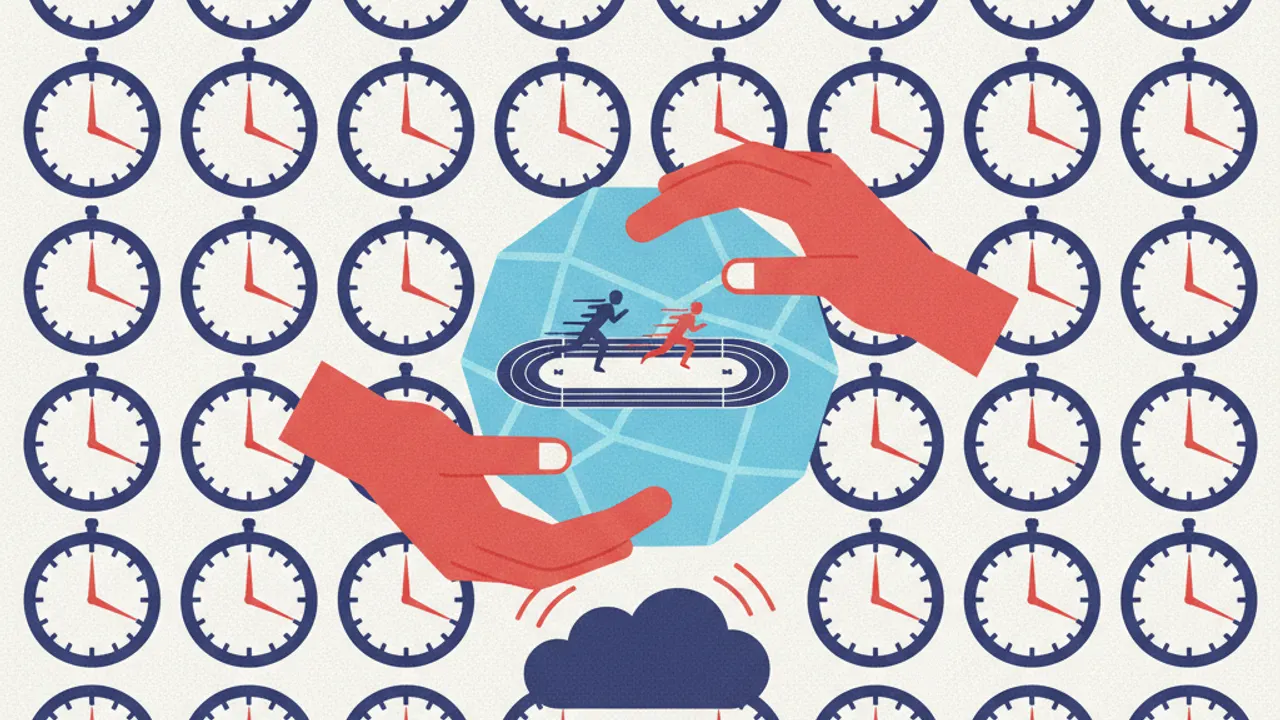
(KI-generiertes Symbolbild: Gemini / AI Connect)

The International Olympic Committee (IOC) is preparing competitive sports for its next major technological evolution. At the Ai4 industry conference, Alejandro Merino-Madrid, Head of AI at the IOC, presented the operational AI roadmap aimed at the Los Angeles 2028 Summer Olympics. The initiative focuses on transforming officiating precision, athletic performance evaluation and live broadcast storytelling through high-performance computing.

The core of the initiative is a new cloud-based analytics platform engineered to process live competition feeds at unprecedented speed. The system generates context-aware explanations regarding scores, routine difficulty and athlete profiles in under 450 milliseconds. This ultra-low latency allows television commentators and streaming audiences to receive immediate tactical clarity during fast-paced events.

Beyond broadcasting enhancements, the IOC is deploying digital twins based on biomechanical motion data. These digital movement profiles reconstruct complex athletic actions in near real-time. Judges can consult these simulations to verify intricate movements and resolve borderline decisions with higher objective accuracy.

The technology also offers direct benefits for competitors and national federations. The generated biomechanical insights will be made available to athletes for post-event performance diagnostics and training adjustments. This bridges the gap between high-speed computer vision and elite athletic preparation.

The IOC's strategy aligns with a broader industry shift toward real-time computer vision and algorithmic transparency across major sporting events. By anchoring sub-second data processing and digital simulation models into official workflows, the committee is setting a standard for future Olympic tournaments.

What this means for you

For federations, broadcasters and sports fans, the IOC roadmap signals the shift from retrospective video reviews to live, sub-second AI assistance during competition. Transparent biomechanical data models will offer deeper insights for viewers while significantly reducing human scoring errors in subjective Olympic disciplines.

Evidence

Solidly sourced
46/100
  • IOC Head of AI Alejandro Merino-Madrid introduced the operational AI roadmap for the Los Angeles 2028 Olympic Games at the Ai4 conference.

    single source
  • The IOC cloud platform generates explanations for scores and routine difficulties in under 450 milliseconds.

    single source
  • The IOC roadmap includes AI-driven digital twins to assist judges with tight scoring calls and provide biomechanical feedback to athletes.

    single source

The evidence score is computed, not hand-set: from confidence, the number of sources and the share of verified statements.

Source & transparency

As of: August 25, 2026

AI-generatedAI-generated: produced automatically from vetted sources with technical quality checks (source, quote and figure verification); no human sign-off of each item before publication

Sources
1
Verified statements
0 / 3
Evidence score
46Solidly sourced

Want to put this into practice?

We connect you with suitable AI providers from the DACH region, free of charge and without obligation.

What's next?