
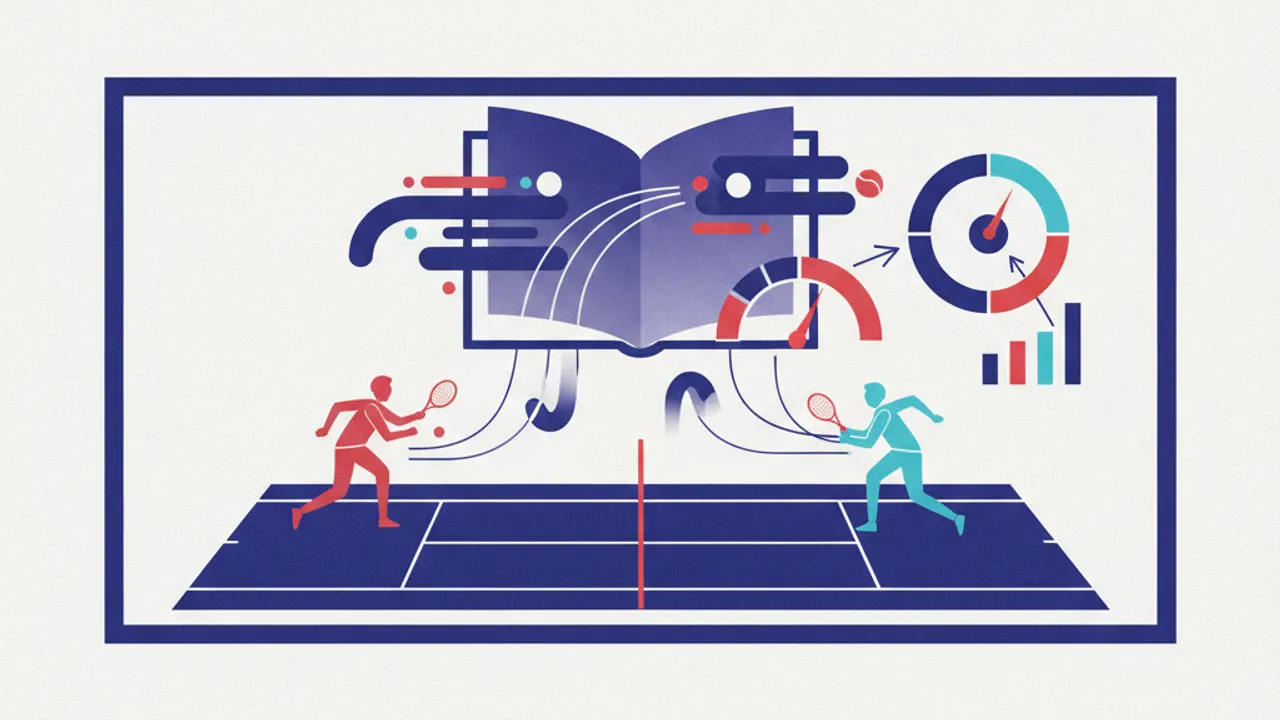
At the conclusion of the 2026 US Open in New York, IBM expanded its watsonx AI platform with dedicated match analysis tools designed for athletes, coaches and broadcasters. The update focused on generative match explanations alongside detailed biomechanical tracking during serves. By combining language models with computer vision data captured across tournament courts, the technology converts raw tracking feeds into actionable insights. This marks an intentional shift away from static numeric tables toward interpretable assessments that enhance both broadcast storytelling and elite athletic preparation.
A core component of the rollout was the debut of Generative Key Moments. Traditional tennis analytics at major tournaments have historically relied on statistical probability engines, such as the Live Likelihood to Win metric, which presented match odds primarily as changing percentages. The new watsonx feature moves beyond these baseline numbers by articulating in real time exactly why specific rallies or altered ball trajectories altered match momentum. The language model generates both written descriptions and visual context, allowing audiences to understand the underlying drivers behind sudden momentum shifts.
Alongside generative game summaries, IBM introduced the camera-based Serve Quality Score to support biomechanical performance diagnostics. The tool relies on computer vision algorithms that analyze the physical mechanics of each serve delivered on court. Specifically, the system tracks the precise ball impact point, the rotation of the player's body during the swing, and the slice angle of the racket face. By evaluating these mechanics in combination, the platform produces an objective quality rating that extends far beyond standard radar measurements of serve velocity.
These biomechanical metrics quickly moved from experimental displays into active competitive application. Broadcast analysts and coaching staffs, including the team supporting top American player Jessica Pegula, utilized the live data streams during the tournament. Coaches received rapid feedback on subtle physical deviations in the serving motion, assessing contact consistency and body rotation. These automated evaluations enabled coaching teams to suggest targeted technical refinements between matches throughout the Grand Slam event.
The system also provided valuable intelligence for tactical match planning and defensive positioning. By examining slice angles and trajectory patterns across repeated deliveries, coaching teams could systematically evaluate opponent serving profiles. Instructors utilized this data to recommend specific adjustments to return positioning, optimizing court coverage against high-impact serves. The deployment at the 2026 US Open underscores how generative text tools and precise kinematic tracking are converging to turn complex athletic data into direct strategic adjustments.