
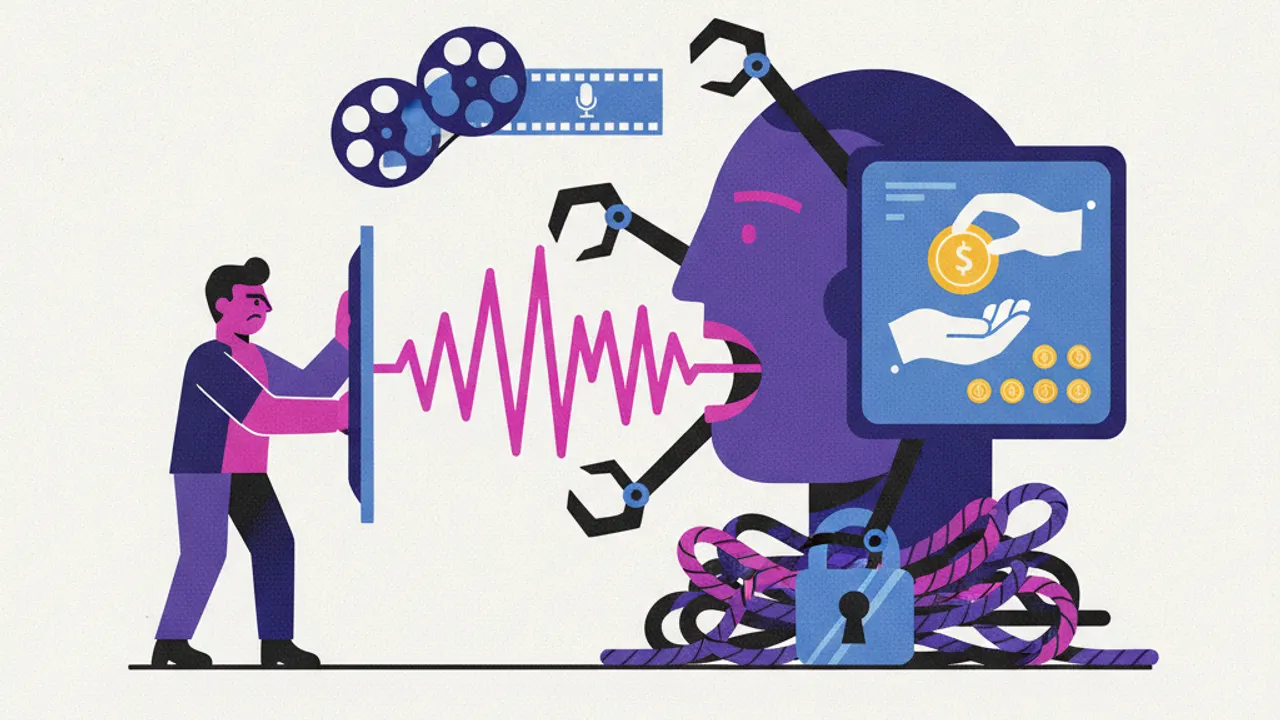
The Japan Actors Union (JAU), representing roughly 2,600 performers as well as anime and video game voice talents, has adopted comprehensive guidelines governing generative speech AI. The union is responding to the rapid integration of synthetic voice cloning tools into media workflows. At the core of the framework is a mandatory requirement for explicit consent at every production stage, alongside separate licensing fees for any AI-generated voice iterations.
The guidelines establish particularly rigid barriers regarding deceased performers. Cloning the voices of departed actors is prohibited outright unless the individual provided explicit written consent during their lifetime. Even when such authorization exists, surviving relatives or estate administrators must approve the usage and receive an equitable share of the licensing revenue.
Almost simultaneously, labor disputes over voice generation escalated in Europe. British entertainment union Equity issued an official warning on October 23, 2026, titled Urgent Information on Galaxy Video Game Casting. The alert followed the emergence of new casting contracts in the gaming sector that strip performers of crucial intellectual property rights.
According to the agreements reviewed by Equity, voice actors were asked to sign over full assignment of rights to their vocal performances. Studios sought to repurpose these recordings to train large language models and voice synthesis systems. In return, the contracts offered only a single, upfront buyout payment rather than residual compensation.
Equity strongly urged its members and talent agencies to reject these terms across the board. The organization warned that agreeing to full rights transfers makes performers contractually and economically replaceable by their own synthetic voice replicas, allowing studios to deploy cloned assets indefinitely without contracting the original actor again.
The parallel actions in Tokyo and London reflect an intensifying international pushback against unregulated generative AI in entertainment. Performer unions are demanding enforceable guardrails to prevent the devaluation of their work and ensure structured licensing standards across games and animation pipelines.