
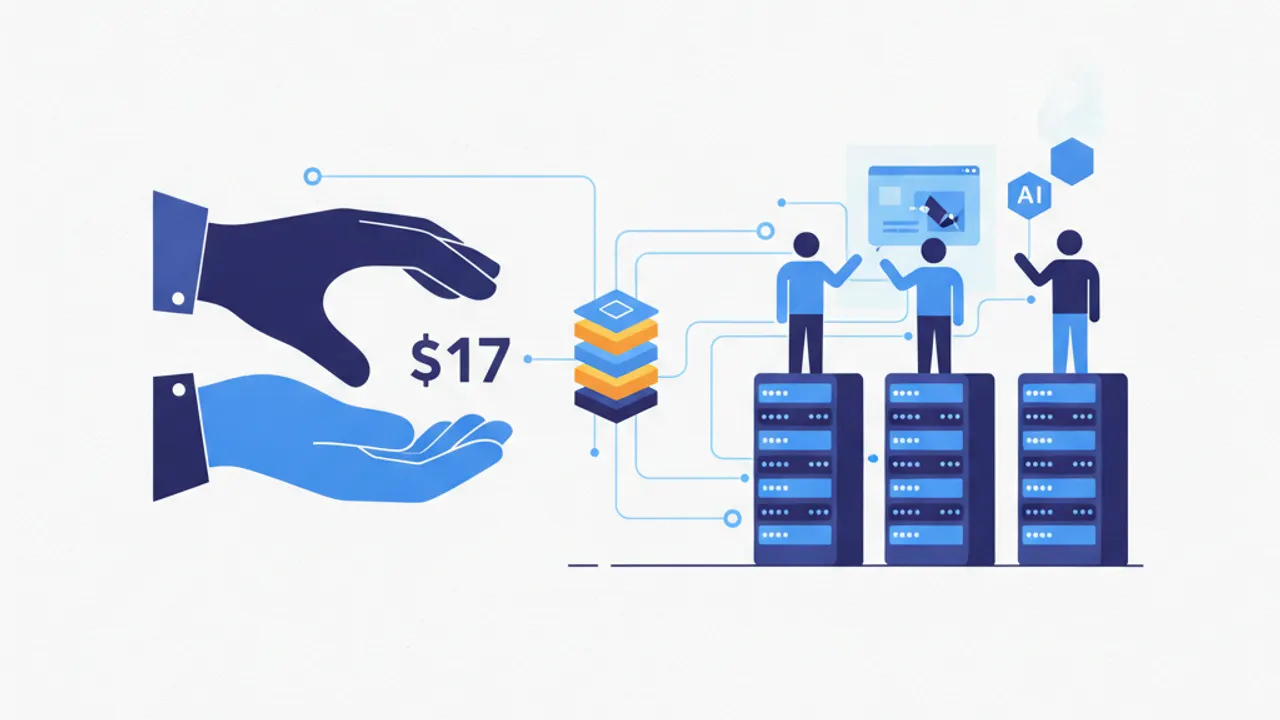
Consolidation across the delivery and platform sector is accelerating rapidly. According to reports from the Wall Street Journal and Reuters, on-demand delivery giant DoorDash is engaged in advanced negotiations to acquire grocery delivery specialist Instacart. People familiar with the matter indicate that the proposed transaction is valued at approximately $17 billion. Earlier acquisition talks between Instacart and ride-hailing leader Uber reportedly collapsed without an agreement, clearing the path for DoorDash to pursue the high-profile transaction alone.
The potential merger coincides with a decisive retreat from one of the retail industry's most prominent physical hardware experiments. Alongside the acquisition discussions, Instacart disclosed in a regulatory filing that it will permanently shut down its artificial intelligence-driven smart shopping cart initiative, known as Caper Carts, by mid-2027. Originally designed to scan items automatically using onboard cameras and sensor fusion as shoppers placed goods inside, the carts were once championed as the premier technology to bypass traditional checkout lines.
The economic fallout of the hardware retrenchment is substantial. Instacart expects to record an impairment charge and restructuring costs ranging between $55 million and $80 million in connection with shuttering the Caper Cart business. While several supermarket chains in North America ran pilot programs with the smart carts, customer adoption and long-term interest from brick-and-mortar grocery retailers lagged far behind internal targets. Hefty acquisition costs, maintenance complexities, hardware wear-and-tear, and occasional recognition glitches ultimately undermined the commercial viability of deploying specialized hardware directly on retail store floors.
DoorDash, by contrast, is directing its technological resources toward an entirely software-centric strategy centered on autonomous AI ordering agents. The company is investing aggressively in proprietary digital assistants capable of orchestrating complex grocery orders for consumers from start to finish. Rather than managing physical carts in store aisles, DoorDash envisions software agents that can interpret natural-language dietary preferences, assemble optimized baskets across partner merchants, manage inventory substitutions automatically, and guide users through personalized shopping workflows with minimal human friction.
In parallel, the potential acquisition is intended to supercharge DoorDash's algorithmic fleet logistics. By integrating Instacart's grocery transaction volume with its existing restaurant delivery footprint, DoorDash aims to train and refine deep learning dispatch engines that optimize courier routing, batching, and delivery time estimations. Combining autonomous agent interfaces on the consumer side with automated fleet management on the back end represents a far more scalable technological architecture, enabling significant operational efficiency gains while eliminating the heavy capital expenditures associated with in-store hardware.
The impending tie-up marks a pivotal strategic realignment for the broader on-demand commerce industry. If the deal successfully navigates scrutiny from antitrust regulators in the United States, it will establish an undisputed platform titan spanning restaurant dining and household grocery distribution. More broadly, the shift demonstrates that tech platforms are moving away from costly, capital-intensive retail hardware in favor of agile, agentic AI frameworks and unified logistics infrastructure.