
Skip to content
AI ConnectPowered by VELENTIS
AI-generated2 min

Debate Over Coding Agents: DHH Declares 'Pencils Down' While Simon Willison Urges Caution

At Rails World 2026, DHH announced that 37signals has stopped manual coding. Developer Simon Willison cautions that coding agents actually make software engineering more difficult.

This article was AI-generated and published automatically. Context, labelling and all sources at the end of the article.

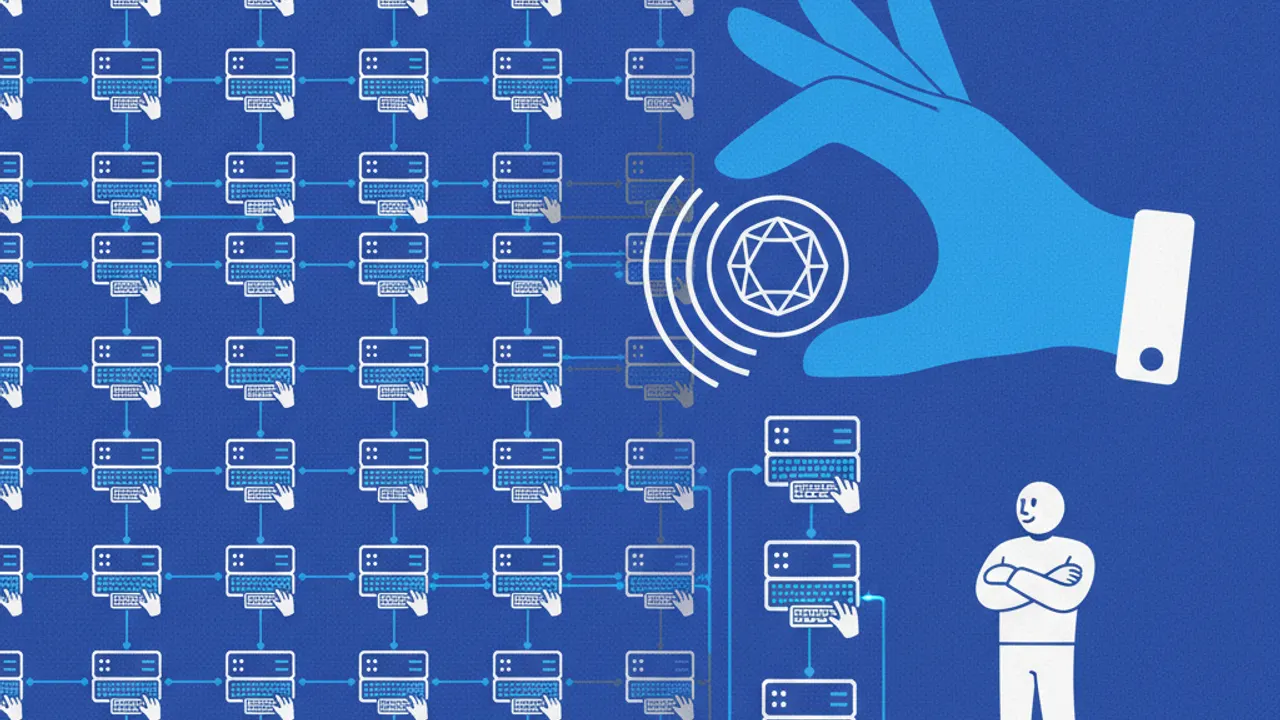
(KI-generiertes Symbolbild: Gemini / AI Connect)

David Heinemeier Hansson, co-founder of 37signals and creator of the Ruby on Rails framework, proclaimed a dramatic operational shift at the Rails World 2026 conference. Under the motto 'Pencils down', he announced that manual code writing has effectively ceased inside his organization. Anyone still writing code by hand at 37signals now triggers internal scrutiny. Hansson explained that hand-written code is now treated internally as an anomaly, comparable to a critical error captured in the Sentry monitoring platform.

The reaction from the wider software engineering community has presented a stark counterweight to Hansson's optimism. On September 24, 2026, prominent open-source developer Simon Willison published a widely circulated note detailing his hands-on experience with autonomous programming agents. Willison concluded that spending more time with coding agents convinced him that they make software engineering significantly harder rather than easier. He argued that utilizing automated coding systems requires vastly more engineering discipline and deeper domain expertise, not less.

This clash of perspectives highlights deep-seated security and architectural concerns surrounding agentic deployments. Writer John Gruber of Daring Fireball recently warned that consumers and developers dangerously underestimate the inherent risks of agentic artificial intelligence. Systems like Meta Muse grant users persistent Linux cloud virtual machines, a design choice Gruber compared to handing out a circular saw without a warning label. Willison amplified Gruber's critique, noting that the approachable interfaces of modern agents often obscure the severe hazards associated with granting automated systems persistent compute access.

Even amid cautionary warnings, autonomous workflows continue to demonstrate staggering execution speeds across various domains. Ben Tossell from Ben's Bites recently assembled a comprehensive archive documenting 87 tech devices spanning from 1976 to 2026 within a single morning. Tossell built the entire catalog purely through prompt orchestration across seven parallel sub-agents using OpenAI Codex, Factory, and GPT-6 Astra. At the same time, the GitHub Security Lab released its open-source Fuzzing Taskflow Agent, connecting large language models with deterministic fuzzing tools to triage vulnerabilities in C and C++ projects without manual setup.

The sharp divergence between Hansson and Willison illustrates a growing divide in the engineering profession. While executives and evangelists view agentic pipelines as the definitive end of boilerplate labor, seasoned practitioners point out that auditing and securing generated code demands heightened vigilance. The primary role of software developers is transforming from syntax generation to rigorous architectural review and vulnerability analysis. Successfully orchestrating coding agents will require superior technical discernment, as blind trust in automated output risks introducing subtle and expensive system failures.

What this means for you

For developers and engineering leads, this clash reveals that while AI agents accelerate raw code generation, they dramatically elevate architectural responsibility. Syntax drafting is becoming an automated commodity, whereas deep systems knowledge and rigorous code review gain strategic value. Organizations adopting autonomous agents must invest heavily in automated testing infrastructure and defensive security practices.

Perspectives

Coverage: 3× Other

One story, several angles: how each source frames the topic, each with a verbatim quote.

  • simonwillison.netOther

    Simon Willison emphasizes from a developer perspective that coding agents do not simplify software engineering, but rather make it harder and demand extraordinary discipline.

    Original quote

    „they make software engineering even harder.“

    simonwillison.net
  • sublimecoding.comOther

    Jared Smith analyzes DHH's departure from manual coding and counters DHH's euphoria by arguing that better models do not solve the underlying problem of code ownership.

    Original quote

    „DHH told Rails World 2026 that hand-writing code no longer pays.“

    sublimecoding.com

Source classification is maintained editorially (political spectrum only where consensus is broad; vendor communication is PR, not journalism). Unlabelled sources are unclassified: we do not guess.

Evidence

Solidly sourced
69/100
  • David Heinemeier Hansson announced at the Rails World 2026 conference that 37signals had effectively ended manual code writing, treating hand-written code like an error in Sentry.

    single source
  • Simon Willison stated in a note on September 24, 2026, that coding agents make software engineering harder and demand greater discipline and expertise.

    verified
  • Blogger John Gruber likened consumer-accessible persistent Linux cloud virtual machines in agentic AI like Meta Muse to a circular saw without a warning label.

    single source

The evidence score is computed, not hand-set: from confidence, the number of sources and the share of verified statements.

Source & transparency

As of: September 26, 2026

AI-generatedAI-generated: produced automatically from vetted sources with technical quality checks (source, quote and figure verification); no human sign-off of each item before publication

Sources
3
Verified statements
1 / 3
Evidence score
69Solidly sourced

Want to put this into practice?

We connect you with suitable AI providers from the DACH region, free of charge and without obligation.

What's next?