
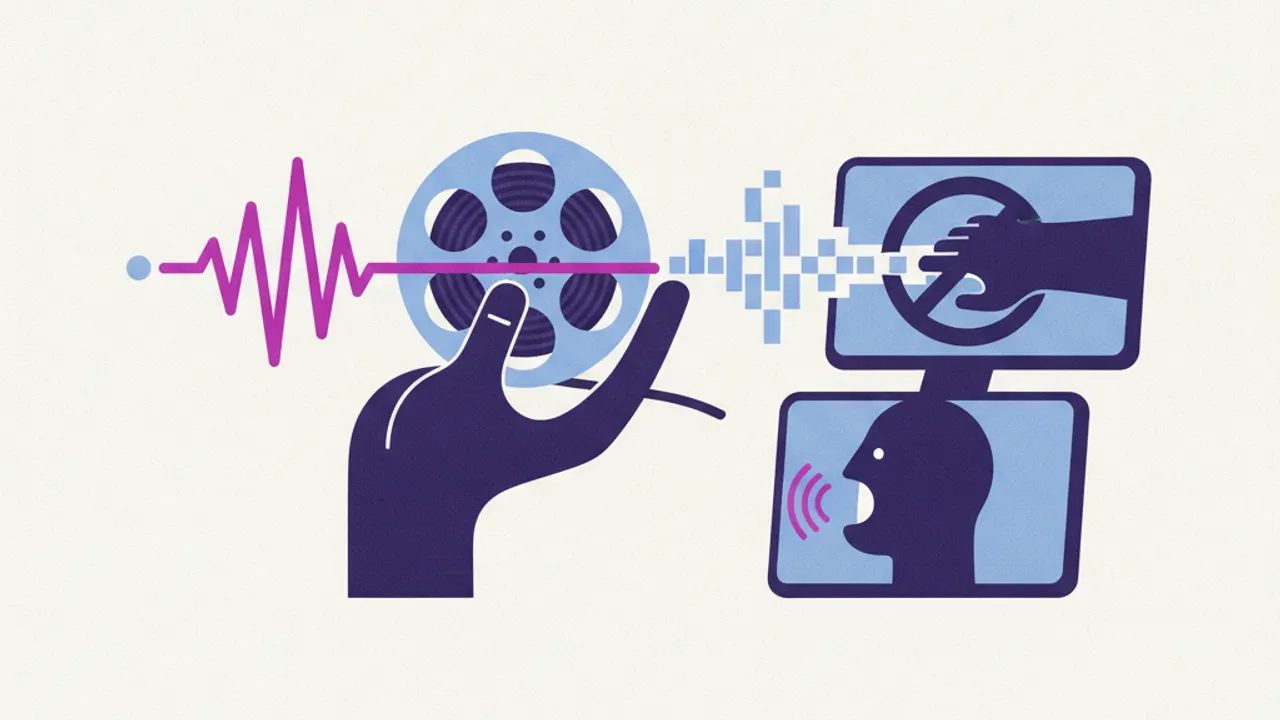
Christopher Nolan, currently serving as president of the Directors Guild of America (DGA), has called on major Hollywood studios to lead the legal fight against generative AI developers. Speaking on the podcast 'Hollywood Insiders with Hawk Koch', the acclaimed filmmaker stressed that defending creative works against unauthorized model training cannot rest on the shoulders of individual artists. Nolan argued that the core responsibility for taking legal action against AI firms belongs squarely to the production studios, which hold the requisite intellectual property rights.
The existing legal structure of the studio system effectively prevents directors from mounting copyright lawsuits against technology companies on their own. Because filmmakers are generally not the legal copyright holders of the motion pictures they direct, they lack formal legal standing to sue for copyright infringement in court. Nolan emphasized that while directors shape the artistic vision, the legal rights remain with the financing studios. As a result, unless the corporate owners of these film catalogs actively pursue legal remedies, the unauthorized scraping of creative material will proceed without judicial challenge.
Nolan also directed sharp criticism at the legal justifications put forward by artificial intelligence companies. Many technology firms defend ingesting massive troves of media content by hiding behind the legal doctrine of fair use. Nolan dismissed these claims as mere excuses and predicted that such arguments will ultimately fail under judicial scrutiny. In his view, funneling complete cinematic works into commercial training pipelines without permission stretches fair use far beyond its intended legal limits.
Pointing to a concrete step forward, Nolan highlighted a new precedent set during the production of his own feature film, 'The Odyssey'. In collaboration with Universal Pictures, a legally binding boilerplate clause was integrated directly into the film's official end credits. This specific language explicitly forbids the ingestion, scraping, and utilization of any footage or audio from the production as training data for generative AI models.
The inclusion of this anti-scraping clause in 'The Odyssey' is intended to serve as a practical model for the broader film industry. By attaching an explicit restriction directly to the public release, Universal removes any ambiguity and denies AI scrapers the defense of implied consent. The contractual credit language establishes a clear legal marker, making it substantially easier for studios to establish willful copyright infringement should their material be ingested into datasets.
Nolan's remarks highlight a growing consensus among Hollywood leaders that passive observation is no longer an option against automated data harvesting. For the DGA president, the entertainment industry must move beyond defensive postures and union debates to pursue proactive litigation. Major studios must mobilize their considerable legal resources to protect their archives, ensuring that cinematic creations are not absorbed into algorithmic models without consent or fair compensation.