
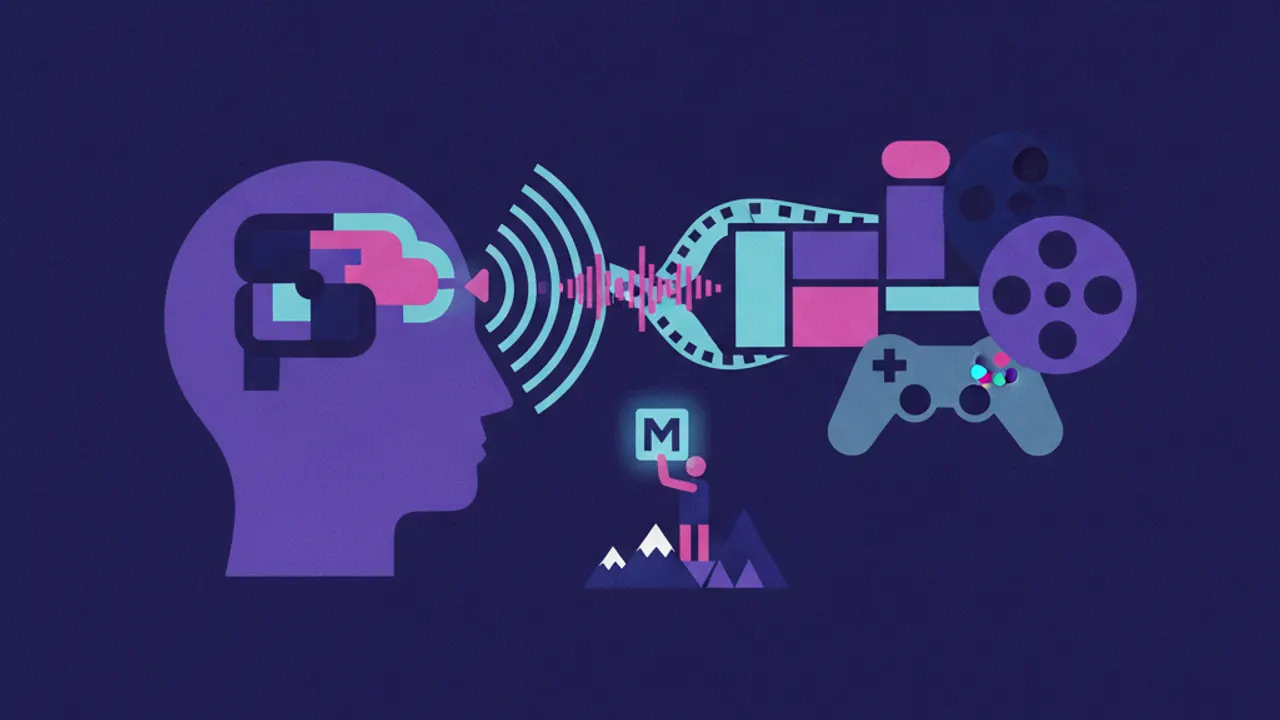
A clear architectural shift is taking place in the development of generative media tools. On November 16, 2026, Black Forest Labs co-founders Andreas Blattmann and Dustin Podell appeared on the developer podcast Latent Space to detail their technical direction. Blattmann, a prominent co-creator of Latent Diffusion, and Podell explained why the company is moving away from isolated static image synthesis toward coherent world models.
At the heart of the discussion was FLUX 3, a next-generation system designed to learn physical relationships rather than surface-level pixel patterns. Instead of training purely on still frames, the model is built around native multimodal video and audio synthesis. It processes visual pixels alongside camera trajectories and synchronized sound, allowing the model to develop a grounded understanding of movement and space.
This architectural pivot addresses long-standing bottlenecks in visual effects, film production, and game design. Traditional generative pipelines frequently struggle to maintain visual continuity when the camera shifts or when dynamic interactions occur across scenes. By grounding visual intelligence in camera paths and synchronized audio, FLUX 3 aims to simulate physical environments with far greater fidelity.
Alongside their forward-looking concepts for FLUX 3, Black Forest Labs also detailed an immediately usable tool for digital artists. The team published code repositories and open weights on platforms including Hugging Face for FLUX 3 Image Klein. The model features 5.6 billion parameters and is built upon a Qwen-Vision foundation.
Image Klein is specifically designed for in-context image editing and multi-reference workflows. Artists can provide up to ten distinct reference images and direct regional edits using bounding boxes. This granular control allows creators to maintain character consistency and asset identity across multiple frames without unpredictable alterations to background elements.
By releasing Image Klein with accessible weights, Black Forest Labs continues to lean into open-source deployment models. While many industry competitors restrict their newest generative engines to proprietary application interfaces, providing openly customizable model weights allows VFX houses and technical artists to integrate these systems into local pipelines such as ComfyUI.