
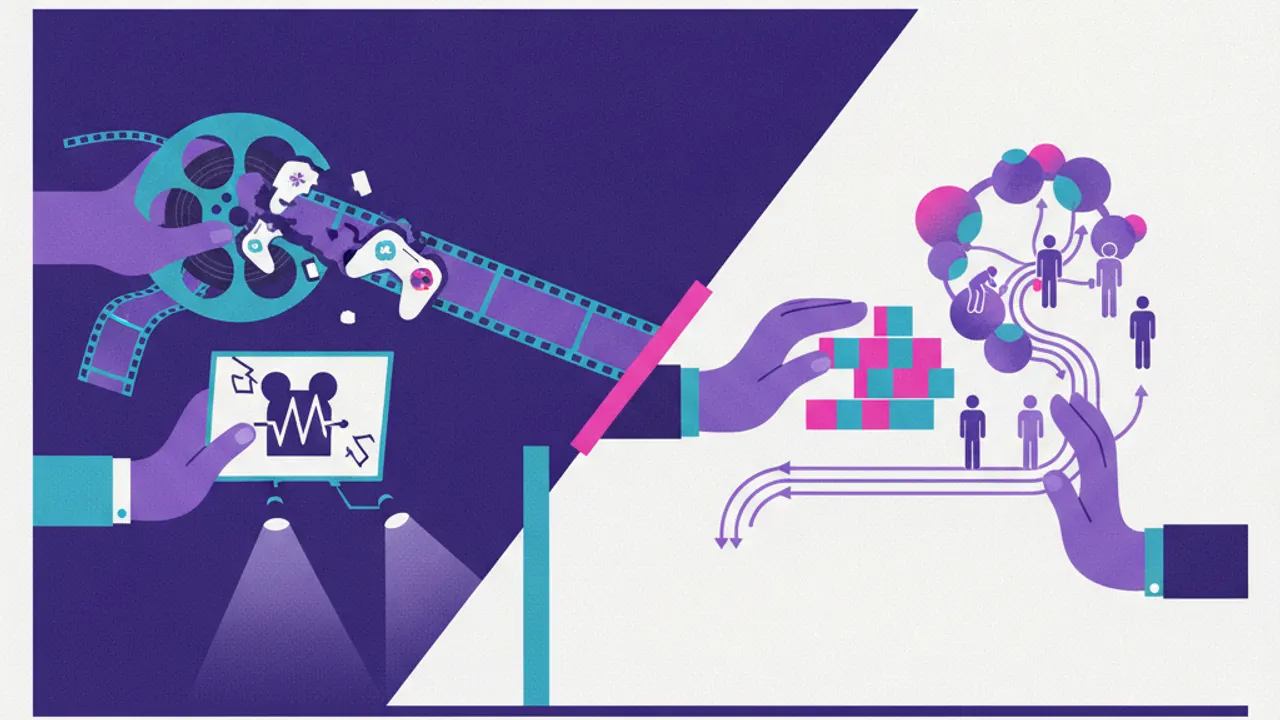
The video game industry is facing an unprecedented turning point in conventional software engineering. According to reports from Bloomberg and Ars Technica, Epic Games has indefinitely postponed the release of its high-profile Disney shooter project. The multi-billion-dollar initiative, designed to blend iconic franchises such as Marvel and Star Wars, was not shelved due to gameplay flaws or engine failures. Instead, studio leadership is pausing production to enforce a fundamental shift toward an operational model that largely removes humans from direct code authoring.
Internal memos circulating among project leads make the new philosophy abundantly clear: the studio is moving away from hand-written code entirely. Autonomous generative systems, including coding agents powered by Anthropic's Claude, are slated to generate core gameplay logic and underlying architecture. In this reorganized pipeline, experienced programmers will no longer author functions manually, but will instead operate as prompt orchestrators, code inspectors, and system curators. The transition equally targets art pipelines and asset creation across the entire production.
Epic Games CEO Tim Sweeney addressed the reports publicly on X, confirming the aggressive corporate restructuring. Sweeney stated that Epic is actively reallocating internal engineering talent to achieve maximum speed through automated artificial intelligence pipelines. While he acknowledged the project's schedule disruptions, Sweeney framed the decision as a vital modernization measure aimed at slashing soaring AAA development budgets and keeping pace with future real-time metaverse demands.
The announcement sparked intense debate across the global software development community regarding the future of creative engineering careers. Many rank-and-file developers expressed alarm that deep programming craftsmanship is being commoditized into prompt engineering and bug auditing. Analysts also cautioned that relying heavily on complex agentic workflows in large-scale interactive software could introduce obscure bugs and structural fragility if teams lose granular comprehension of their generated codebases.
Epic's move represents the most aggressive bet by a major Western studio on total AI-driven automation within blockbuster entertainment. If this experiment succeeds, it will likely serve as an industry-wide blueprint, forcing competing publishers to rapidly adopt autonomous coding pipelines. If it stumbles under technical debt or unmaintainable machine-generated logic, Epic risks substantial capital loss alongside strained relations with critical intellectual property partners.