
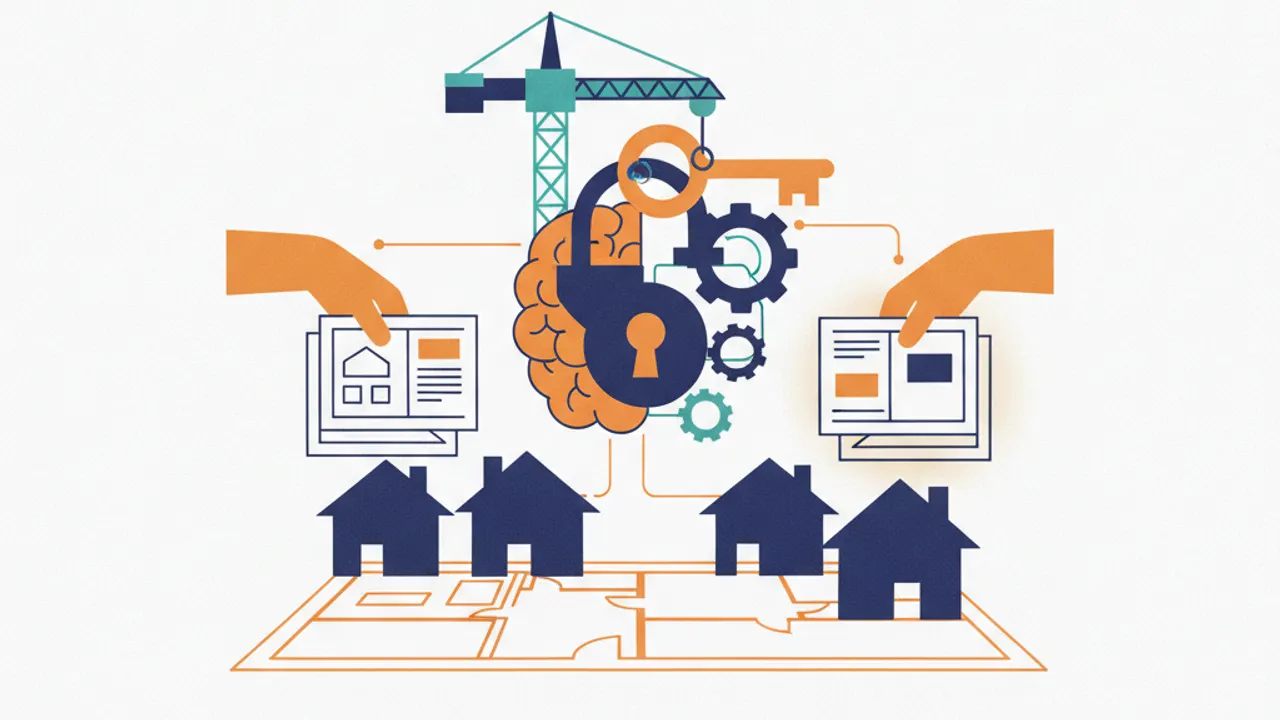
Global design and consultancy firm Arcadis and software developer Autodesk have expanded their strategic artificial intelligence alliance to accelerate digital engineering workflows. At the core of the partnership lies the deep integration of proprietary engineering knowledge into modern design software. Arcadis is linking its internal design, material, and sustainability benchmarks directly to the Autodesk Assistant using the Model Context Protocol. This integration allows project teams to query company standards directly during design stages and evaluate models against established compliance rules.
Initial figures from pilot deployments across Europe and North America highlight substantial time savings during routine quality assurance. Automated quality reviews of structural and building designs saw review turnaround times drop from five days down to approximately half a day. In traditional construction workflows, cross-referencing intricate engineering models with environmental and structural specifications required extensive manual effort. The automated checks identify design conflicts early in the planning process, allowing engineering teams to shorten iteration cycles while maintaining rigorous technical standards.
Beyond speeding up administrative verification tasks, the partners also unveiled a joint technical initiative called See Through Walls. The project leverages sensor integration, computer vision, and machine learning models to assess the internal condition of structural components in existing buildings. This diagnostic capability aims to advance circular construction by evaluating the structural integrity and potential for component reuse prior to renovations or demolition. Historically, evaluating concealed materials inside aging structures involved invasive sampling, creating uncertainty for circular redevelopment projects.
The technical foundation of the initiative relies on the Model Context Protocol, commonly known as MCP. By utilizing MCP, Arcadis provides the Autodesk Assistant with contextual access to its proprietary databases without exposing sensitive intellectual property to open model training. The AI assistant can interpret specialized engineering logic and evaluate project blueprints against specific carbon reduction and material performance goals. Industry observers consider the adoption of open protocols an important milestone toward seamless interoperability across fragmented architectural software environments.
The collaboration between Arcadis and Autodesk reflects a broader shift across the construction sector toward generative tools that provide measurable cost and time reductions. Faced with escalating material expenses and strict environmental regulations, engineering firms are prioritizing automation that eliminates manual friction in preconstruction. Combining automated compliance verification with circular diagnostic tools like See Through Walls redefines the daily responsibilities of consulting engineers. Routine checking processes are increasingly relegated to algorithmic workflows, allowing teams to focus on strategic project optimization.