
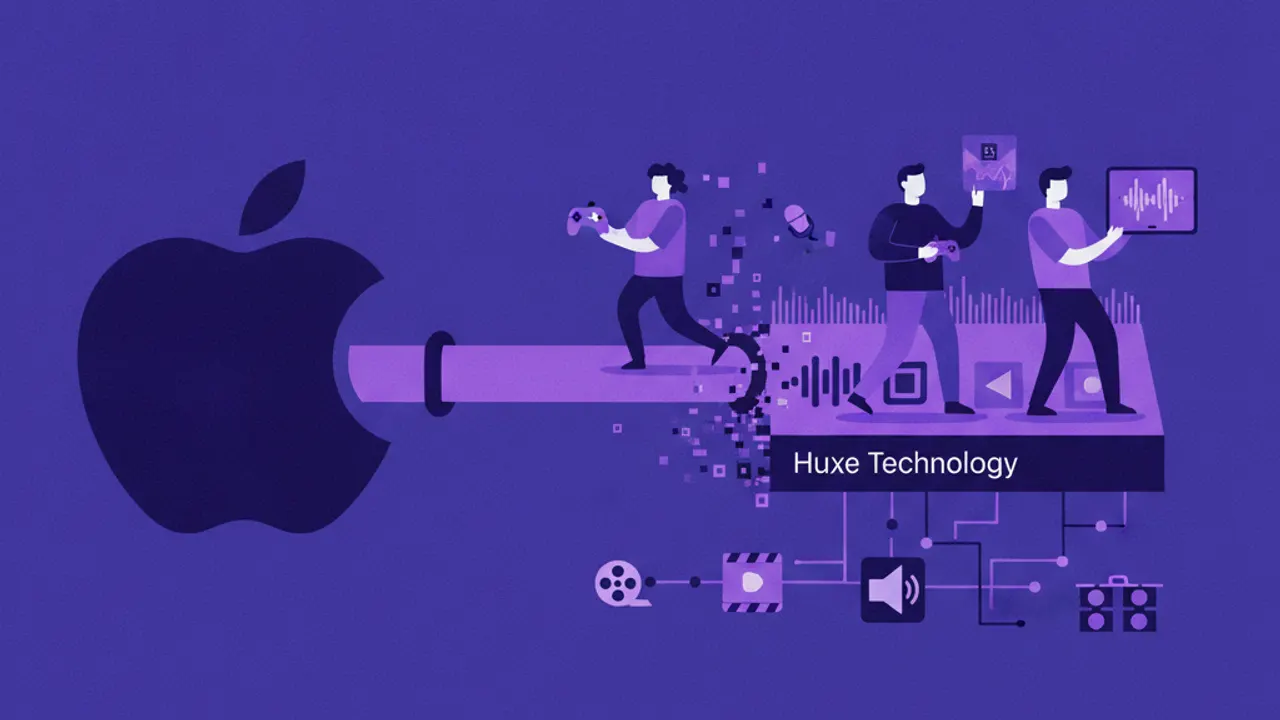
Apple has entered into a licensing and hiring transaction with generative audio startup Huxe, according to public records. The deal came to light on October 9 and 10, 2026, through filings published in the European Union Digital Markets Act transparency register. Under the terms of the arrangement, Apple secured a non-exclusive intellectual property license for the startup's underlying technology and brought on board its core engineering talent. The move allows the Cupertino-based company to significantly strengthen its internal media capabilities while bypassing protracted merger control reviews.
Huxe was established by three former Google engineers, most notably project lead Raiza Martin. The founding trio previously played an instrumental role in creating the viral podcast generation tool built into Google's NotebookLM research platform. After departing Google, the engineers built a specialized engine capable of generating dynamic, fully interactive podcast experiences. Unlike conventional audio files, the Huxe software lets listeners intervene at any moment during playback to ask spoken questions and receive real-time answers from the artificial hosts.
In structuring the transaction, Apple adopted an approach commonly referred to in the tech industry as a reverse acqui-hire. Rather than purchasing the startup in its entirety, the corporate giant acquired intellectual property licenses and signed the core engineering team directly to employment contracts. This framework is increasingly employed by major platform operators to sidestep formal competition reviews that traditional acquisitions might trigger. At the same time, it ensures that Apple captures specialized engineering talent in an intensely competitive artificial intelligence landscape.
The integration of Huxe's intellectual property opens several clear product avenues across Apple's expansive media ecosystem. The technology could be utilized to enrich Apple Podcasts with interactive features, allowing users to converse with synthetic shows or turn written articles into custom broadcasts. Furthermore, the interactive speech capabilities are well-suited to support ongoing upgrades across Siri and the connected Gemini ecosystem. Enabling synthetic voices to respond immediately to user questions transforms passive audio consumption into a two-way conversational medium.
Industry analysts interpret the transaction as a strategic response to the rising importance of interactive audio formats. While generative text and image models have matured into widespread commercial commodities, low-latency dialog engines represent the next frontier in consumer engagement. By recruiting Martin and her colleagues, Apple has secured veterans who have already demonstrated their ability to turn complex source material into engaging, viral audio. The deployment of this technology could soon redefine how consumers interact with spoken-word content across iPhones, iPads, and Mac computers.
The revelation via the European Union regulatory register also highlights how compliance mandates are increasing corporate transparency across the technology sector. In previous years, arrangements of this nature were frequently conducted away from public scrutiny for months before surfacing. Under the Digital Markets Act, designated gatekeepers must provide public notices regarding structural talent and licensing deals within the single market. For Huxe and its founders, the transition into Apple represents a rapid and lucrative conclusion to their independent entrepreneurial venture.