
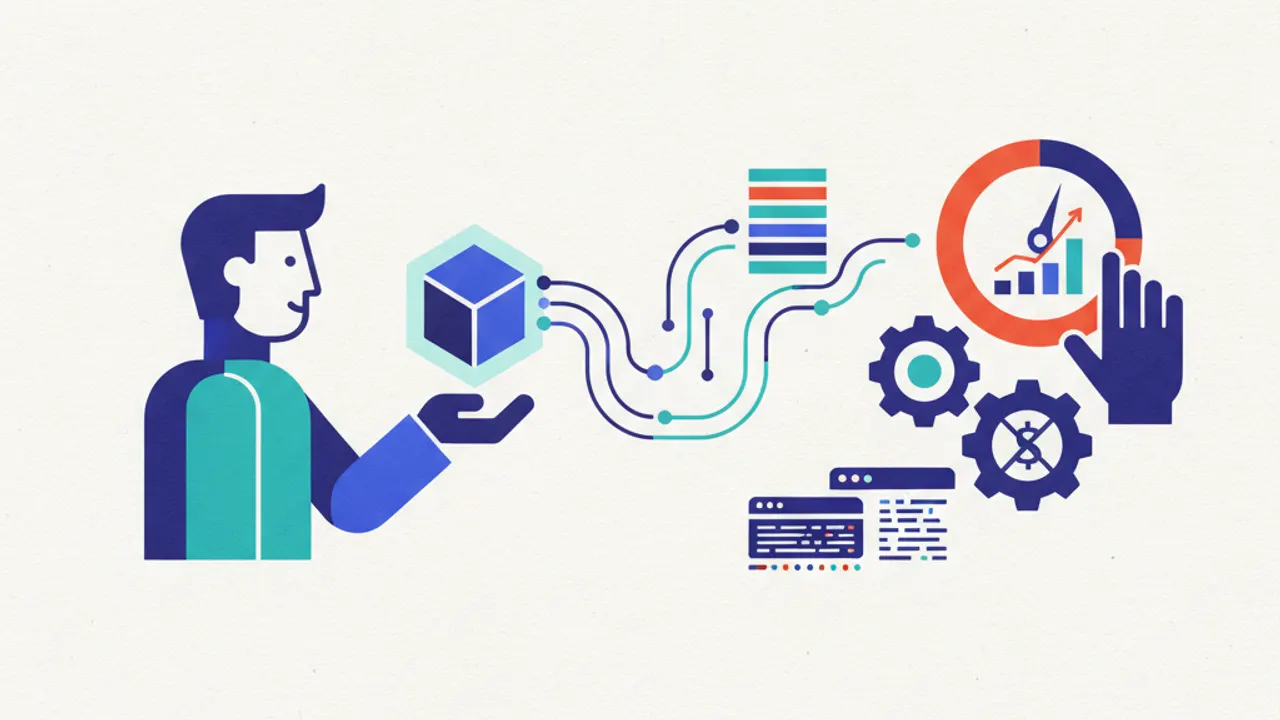
On October 21, 2026, artificial intelligence developer Anthropic introduced Claude Duet, its first proactive software agent powered by the Claude Opus 5.5 model. The launch represents a shift away from standard reactive chatbots that rely solely on direct user prompts. Duet is designed to function persistently in the background, autonomously structuring daily operational responsibilities and coordinating digital tasks without needing constant oversight.
The technical scope of the agent centers on managing operational assignments with minimal supervision. According to the developer, Duet synthesizes daily task backlogs, drafts forward-looking financial forecasts, and autonomously programs software workflows. Through these autonomous capabilities, the model positions itself as an integrated digital assistant that independently organizes enterprise routines across complex work environments.
To mitigate the hazards of fully autonomous system execution, Anthropic embedded a rigorous human-in-the-loop governance structure into the software. Strict technical safeguards bar the agent from completing high-consequence tasks independently. Financial transactions involving real capital flows, the permanent deletion of stored files, and the transmission of binding communications strictly mandate explicit approval from the operator. The initial deployment opened as a preview release for paying subscribers in the United States.
The product rollout coincided with new revelations regarding the company's fiscal landscape. A leaked draft of Anthropic's S-1 registration statement, reported by the Wall Street Journal on October 21, 2026, revealed 16.3 billion US dollars in revenue for the first half of 2026. Despite substantial topline growth, the filing exposed significant accounting net losses caused by aggressive depreciation schedules on computing infrastructure, as well as revenue concentration among a small number of enterprise buyers.
At the same time, broader economic realities are squeezing margins across the AI infrastructure supply chain. Specialized neocloud operators face higher interest premiums and rising capital costs to finance GPU server clusters. In turn, enterprise clients increasingly require documented proof of financial return before rolling out background agents at scale. With Google DeepMind launching Gemini 4 Argon on October 19, 2026, to capture agent control benchmarks, competitive pressure on commercial efficiency continues to intensify.