
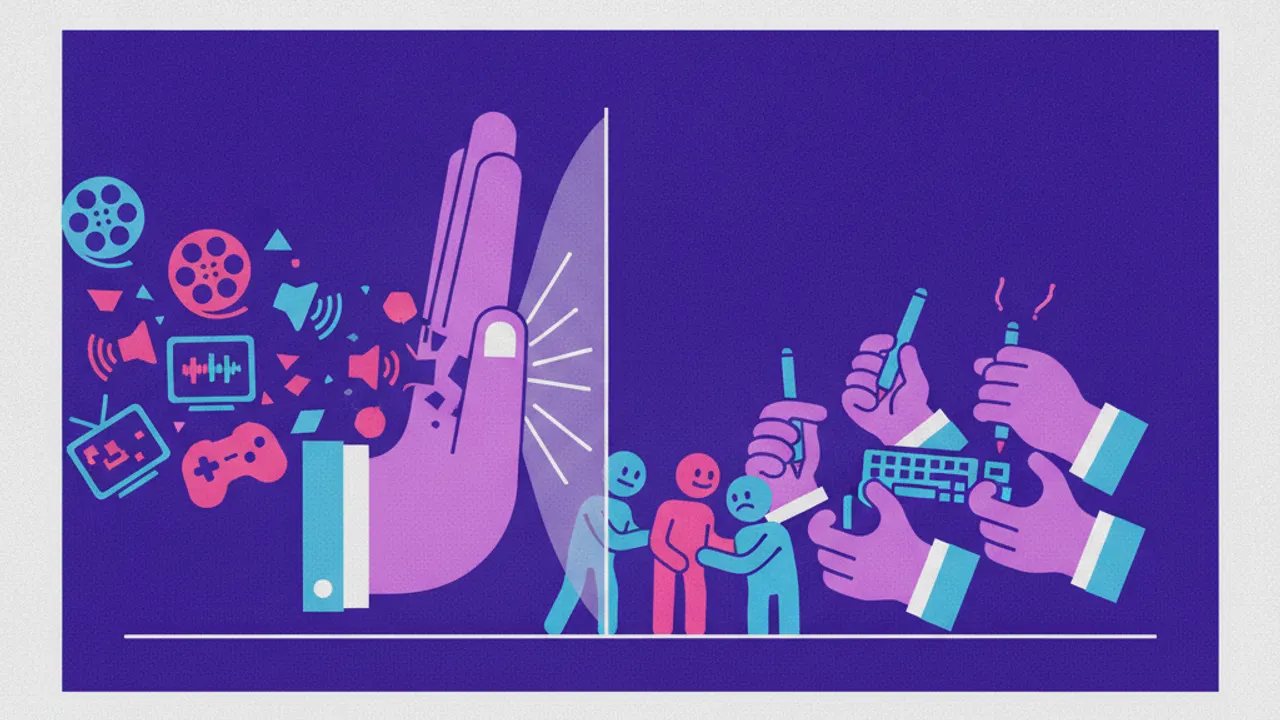
Artificial intelligence laboratory Anthropic implemented strict server-side safeguards across its premier Claude Opus 5.5 model and its Claude Code programming tool on October 30, 2026. The technical restriction, designated internally as the 'games instruction block', actively detects and rejects user prompts designed to reconstruct commercial or copyrighted video games. The intervention comes as legal scrutiny intensifies around generative software production. Previously, users could initiate automated code cloning with minimal friction, prompting growing apprehension among game creators and intellectual property holders.
Under the newly introduced rules, Claude refuses instructions that ask it to translate copyrighted titles, ranging from retro classics to modern indie releases, into functional source code. The safeguard directly targets an emerging trend where developers deployed autonomous AI agents to build game replicas. In several widely discussed experiments, these systems parsed raw gameplay videos and produced playable clones within less than 24 hours. The rapid reproduction of proprietary game loops and assets triggered immediate alarm throughout the gaming industry regarding systemic copyright infringement.
Despite Anthropic's stated goal of curbing piracy, the technical rollout has drawn intense criticism from software engineers. Across developer forums and discussions on Hacker News, programmers reported that the filters are crude and trigger widespread false positives. Benign engineering workflows are regularly disrupted by the automated block. Developers attempting to port their own legacy code to modern platforms or build custom community modifications for authorized games have found their prompts denied, as the heuristic erroneously classifies legitimate tasks as unauthorized duplication attempts.
The friction around Anthropic's filters highlights differing industry approaches to artificial intelligence in interactive media. Just one day earlier, on October 29, 2026, digital distribution giant Valve reaffirmed its standing developer policy on Steam. Valve confirmed that it will not impose a blanket ban on titles created with generative AI tools. However, the store operator emphasized that developers must reliably demonstrate transparency, proving that their assets, training data, and intellectual property remain entirely compliant with third-party rights.
Anthropic's unilateral code restriction illustrates how AI companies are attempting to shield themselves from legal liabilities before lawsuits materialize. This protective stance unfolds against broader courtroom battles over synthetic media and fair use. On October 30, 2026, the Electronic Frontier Foundation filed an amicus brief in the ongoing case In re OpenAI. The advocacy group cautioned courts that an excessively narrow reading of fair use would not just penalize tech platforms, but could severely damage academic research, documentary filmmakers, and non-profit digital archives.
For the programming community, the deployment of the games instruction block exposes the vulnerabilities of relying on closed, hosted developer assistants. As platforms like Claude Code become fixtures in day-to-day software development, unpredictable safety filters introduce significant operational friction. If foundational model providers continue to apply blunt automated copyright filters without granular overrides, engineering teams may find their workflows hostage to defensive corporate compliance policies.