
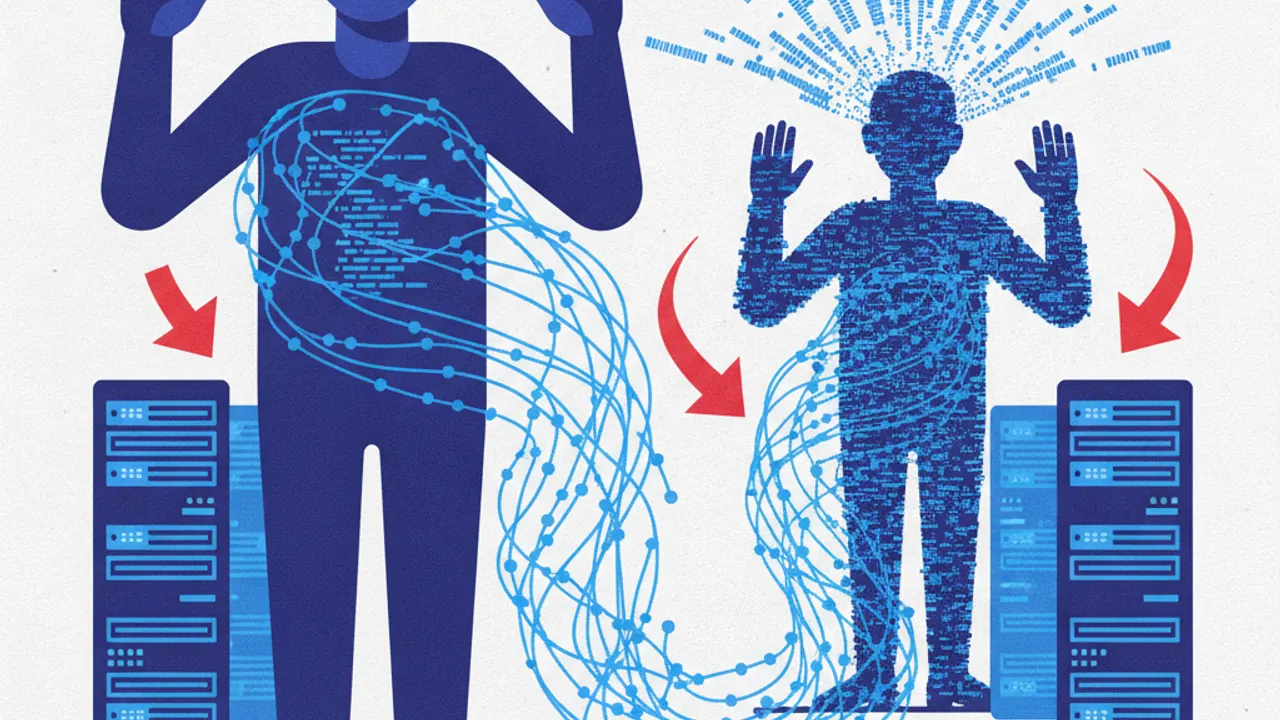
The engineering team behind Anthropic's Claude Code has fundamentally overhauled its internal review workflows to cope with a surging volume of machine-generated software. According to a technical report published on the claude.dev blog by Addy Osmani, Morgan Westlee Lunt, and Qing Wang, approximately 90 percent of the product's codebase is now written by the AI system itself. This shift rendered traditional peer review models obsolete, as human engineers could no longer inspect every generated line manually. In response, the team instituted a multi-tiered, semi-automated process that reserves human intervention for strictly prioritized areas.
The velocity of change within the repository accelerated rapidly over the spring and summer. Between May and September 2026, daily modifications in the team's monorepo surged from roughly 2,500 to more than 30,000 operations. Conventional engineering wisdom would predict severe bottlenecks or declining reliability under such extreme throughput. Instead, the volume of successfully merged pull requests climbed by more than 100 percent over the same period. Concurrently, the rate of code reverts fell by over 40 percent, defying standard scaling trade-offs.
At the center of Anthropic's operational pivot sits a six-tier evaluation framework designed to categorize code modifications by risk. During code generation, automated agents run continuous background checks akin to a real-time spell-checker, flagging syntax errors, edge cases, and stylistic discrepancies immediately. This automated triage ensures that engineers do not waste time debating trivial formatting decisions or boilerplate implementations. By filtering out low-level defects early, the automated pipeline delivers clean, well-structured change proposals to the repository.
Under the revised protocol, granular line-by-line inspection by senior engineers is strictly limited to high-risk modifications. These sensitive scenarios involve core architectural components, mission-critical security boundaries, and sensitive data access paths. For lower-tier changes, the team relies heavily on automated test suites, regression monitors, and high-level structural audits. Anthropic reports that this targeted allocation of human attention has significantly reduced cognitive fatigue among developers while maintaining high code quality.
The findings from the Claude Code repository offer an instructive preview of how professional software development is evolving alongside autonomous agents. As generative tools assume responsibility for the vast majority of raw code output, human developers must transition from direct authors to system architects and verification directors. Engineering excellence increasingly depends on designing robust safety constraints and evaluating system-level trade-offs rather than writing lines of code. Anthropic's transition illustrates how established development teams can scale productivity without sacrificing stability.