
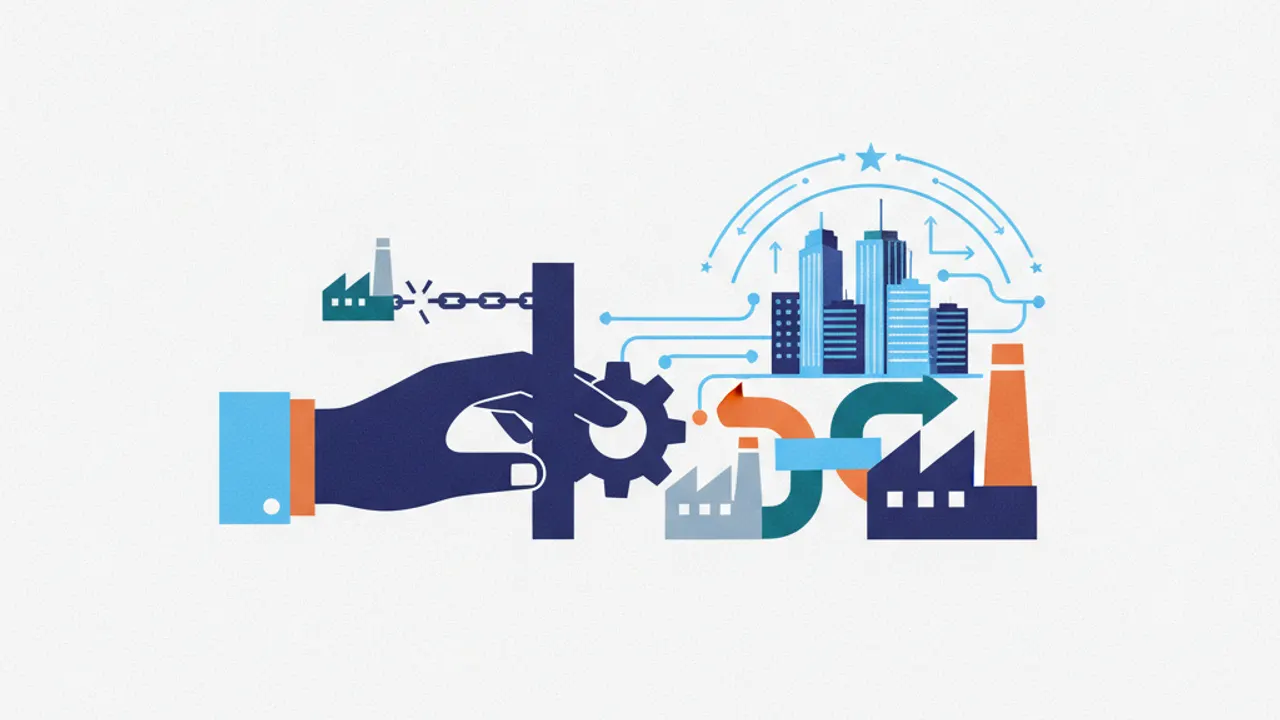
The transition from generative assistance tools to autonomous AI agents represents the next major technological phase for European enterprises. However, recent economic data, drawing from PwC and industry surveys, reveals a substantial implementation gap. While 29 percent of organizations across the wider EMEA region are actively scaling agentic AI workflows, only 7 percent of companies in Germany have reached this stage of deployment. Medium-sized German enterprises remain hesitant to grant autonomous capabilities to software systems.
Analysts identify a pronounced governance dilemma as the primary bottleneck holding back domestic firms. Companies encounter complex hurdles regarding legal liability, granular access permissions and continuous process oversight. Unlike conversational interfaces, autonomous agents execute multi-step workflows independently, interact with enterprise databases through application programming interfaces and trigger operational actions. Without robust governance frameworks, these capabilities introduce compliance and operational risks that many corporate leaders are unwilling to bear.
This institutional hesitation coincides with a structural productivity slump across the German economy. A study conducted by the Cologne Institute for Economic Research on behalf of the Foundation for Family Businesses indicates that annual productivity growth in Germany dropped to an average of just 0.3 percent over the past six years, down from approximately 2.0 percent in the 1990s. Economists estimate that productivity growth must increase fivefold to compensate for demographic decline, highlighting process automation and agentic systems as indispensable levers.
Societal skepticism further complicates enterprise adoption. According to the global Ipsos AI Monitor 2026, only 37 percent of respondents in Germany believe artificial intelligence delivers more benefits than drawbacks, compared to a global average of 55 percent. Concurrently, a noticeable gap between perception and behavior has emerged: 63 percent of surveyed workers regularly use AI tools in their daily routines for efficiency gains, despite widespread doubts concerning data privacy and the reliability of vendor outputs.
To address these structural deficits, industry associations and policymakers are rolling out structured support mechanisms. The Bundesverband für KI-Transformation e. V. introduced its Venture AI Execution Partner program to equip medium-sized businesses with standardized governance blueprints for agent deployment. In parallel, the German federal cabinet approved the 2027 ERP economic plan, raising KfW-backed funding by 600 million euros to approximately 12 billion euros to subsidize digitalization and enterprise AI applications.