
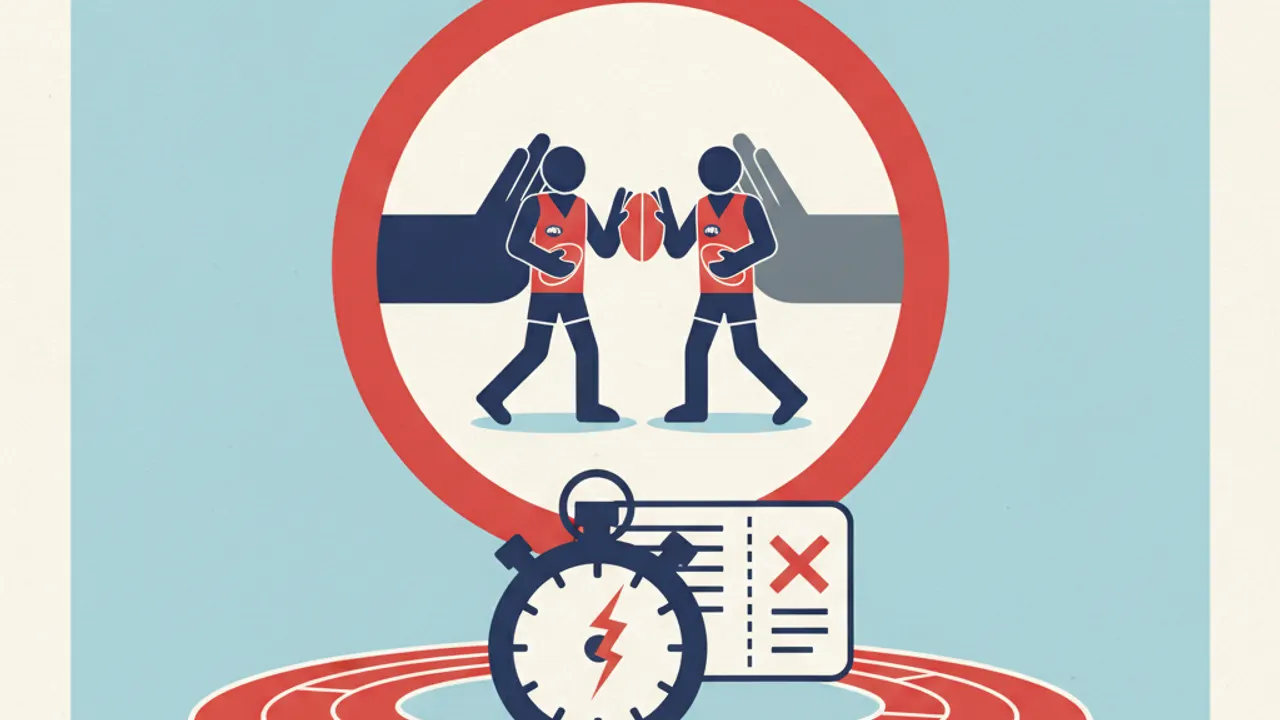
The Australian Football League has established a strict boundary regarding the commercial use of synthetic media in professional sports. On October 13, 2026, the AFL issued an ultimatum demanding that its official partner Sportsbet immediately delete all social media content featuring AI-generated clones of professional players. The league made it unequivocally clear that athletes cannot be portrayed in automated AI video formats without their explicit consent. This decisive step responds to an escalating trend in sports marketing where visual likenesses of high-profile athletes are replicated at scale via generative models.
The conflict was triggered by a series of viral marketing clips distributed by the betting operator across popular social media channels. In these promotional assets, the company deployed generative AI and lip-syncing software to simulate the exact appearances and voices of prominent AFL figures. Among the targeted athletes were league stars Lachie Neale and Will Ashcroft. In one notable clip, an AI avatar of Neale was animated to recite an acceptance speech originally delivered by American rapper Snoop Dogg, all without Neale's prior authorization.
Pushback from the playing group materialized swiftly following the public release of the campaigns. Both the affected athletes and league officials intervened directly with the betting operator to halt the unauthorized exploitation of player identities. Sportsbet bowed to the league's firm demands and removed all contested material from its digital platforms immediately. The incident underlines how sensitive professional athletes are when their personal brands are entangled with gambling promotions.
Industry experts view the controversy as a landmark precedent for Name, Image and Likeness (NIL) rights in the generative AI era. While conventional sponsorship agreements govern photoshoots, broadcasts and traditional media appearances, synthetic replicas often fall into regulatory ambiguities. The AFL's decisive stance establishes that existing marketing agreements do not grant sponsors an implied license to manufacture synthetic clones. Athletes are increasingly demanding strict contractual protections to retain sovereignty over their virtual counterparts.
For commercial partners and sports franchises, the confrontation serves as an unambiguous warning against unchecked automated marketing strategies. Although generative tools allow brands to produce fast and engaging social content tailored to younger audiences, the legal and reputational risks remain substantial. Sports governing bodies now face the urgent challenge of instituting rigorous governance frameworks that foster creative fan engagement while safeguarding athletes' fundamental personal rights.