
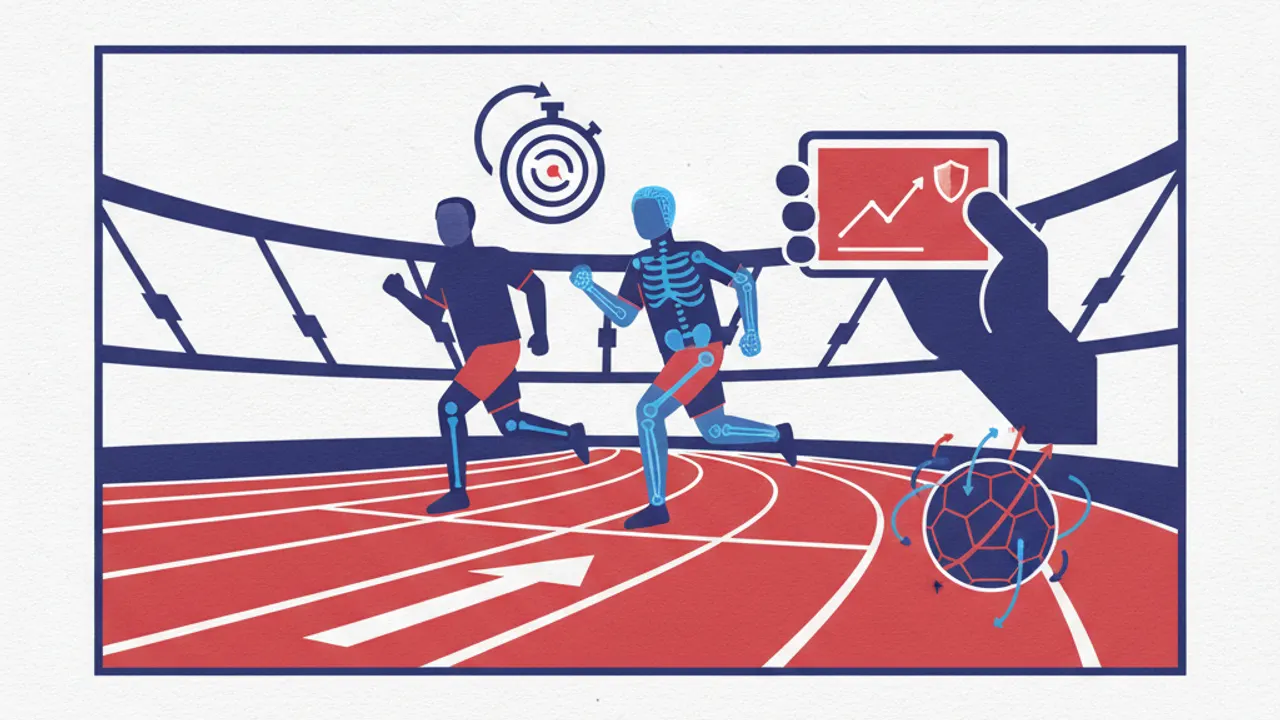
In modern training centers, data-driven performance optimization has become a standard operational tool. Using advanced tools such as Google DeepMind's TacticalAI, coaching staffs can analyze thousands of tactical situations in real time. The algorithms generate specific tactical suggestions for set pieces such as corner kicks and free kicks against specific defensive setups.
At the same time, high-end tactical analysis is becoming accessible to lower leagues and amateur teams. Researchers from ETH Zurich and FIFA have developed algorithms that map complex 3D player positions and postures across the pitch. Crucially, this system can function using as little as a single camera instead of expensive multi-camera arrays.
Another major area of focus is the prevention of muscle and tendon injuries through predictive analytics. By pairing wearable GPS and heart rate trackers from providers like Catapult or KINEXON with machine learning platforms like Zone7, teams track micro-fatigue patterns. The algorithms issue warnings when an athlete reaches critical injury thresholds during training sessions.
This continuous tracking is complemented by computer vision analyzing biomechanical movements at the millimeter level. The software captures throwing mechanics in basketball, loading phases in sprinting, and running forms in athletics. Biomechanical misalignments are identified early, allowing trainers to adjust techniques before chronic injuries develop.
These applications are transforming athletic performance across disciplines on a global scale. The International Olympic Committee is actively advancing this integration across federations through its Olympic AI Agenda. AI has officially evolved from simple post-match statistics into an active tool for athlete health and tactical execution.