Skip to content
AI ConnectPowered by VELENTIS
AI-assisted1 min

Study Reveals Impact of User Expertise on Medical AI Diagnostics

A recent study demonstrates that non-experts rely heavily on LLM diagnostic tools even when incorrect, whereas trained clinicians successfully identify AI errors.

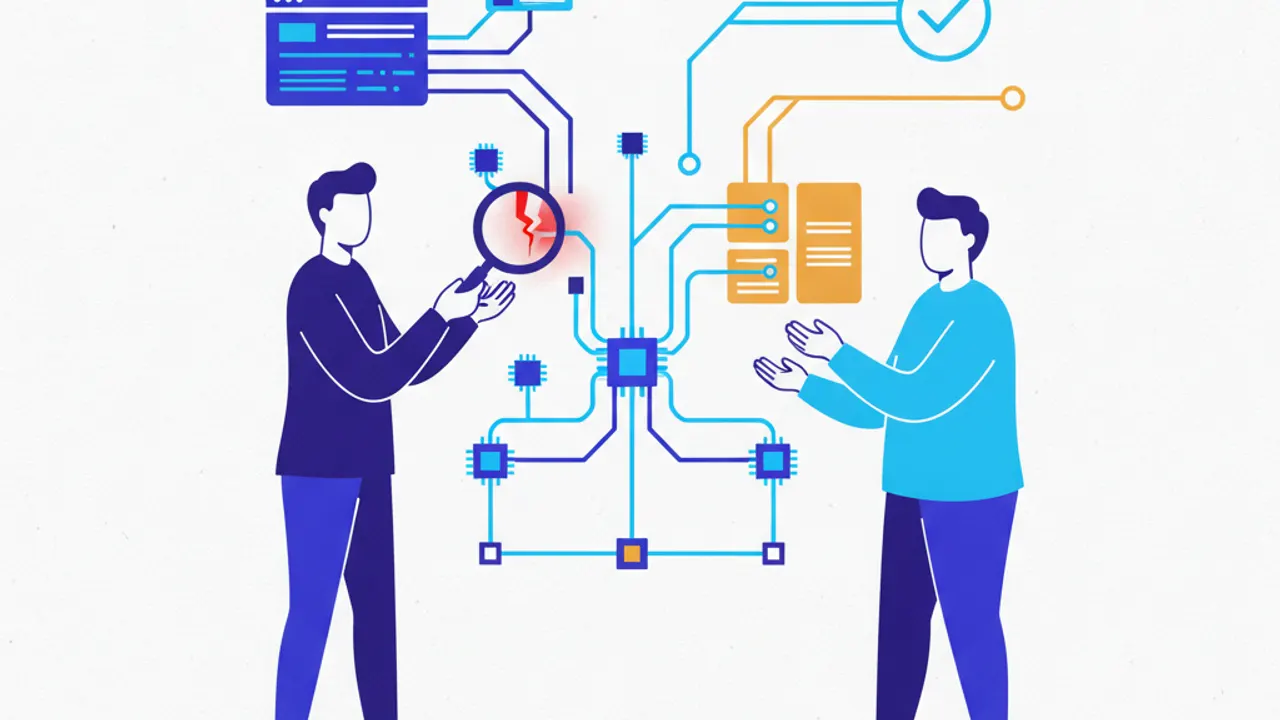
(KI-generiertes Symbolbild: Gemini / AI Connect)

A new study highlights how the benefits of medical AI assistance depend directly on user expertise. According to the research, "non-experts deferred to LLM-based diagnostic assistance, even when it was wrong" during evaluation. This behavior suggests that individuals without domain knowledge struggle to identify inaccurate artificial intelligence outputs. Consequently, automated diagnostic guidance can lead non-specialists to accept incorrect health conclusions.

In contrast, experienced medical professionals demonstrated a much stronger ability to evaluate automated recommendations critically. The study noted that "clinicians caught AI errors" rather than blindly trusting the software. These findings indicate that domain knowledge remains essential when deploying large language models in healthcare workflows. Ultimately, the effectiveness and safety of medical AI tools depend heavily on the existing expertise of the user.

What this means for you

For organizations and readers deploying generative AI, these findings emphasize that human oversight by domain experts is indispensable. Deploying diagnostic LLMs directly to non-experts risks uncritical acceptance of inaccurate outputs. Therefore, businesses must pair AI assistance tools with qualified professionals to ensure overall safety and accuracy.

Evidence

Solidly sourced
46/100
  • Non-experts deferred to LLM-based diagnostic recommendations even when the AI was incorrect.

    single source
    Quote

    non-experts deferred to LLM-based diagnostic assistance, even when it was wrong

  • Clinicians successfully identified errors made by the diagnostic AI.

    single source
    Quote

    clinicians caught AI errors

The evidence score is computed, not hand-set: from confidence, the number of sources and the share of verified statements.

Source & transparency

As of: August 04, 2026

AI-assistedAI-assisted, editorially reviewed

Sources
1
Verified statements
0 / 2
Evidence score
46Solidly sourced

Want to put this into practice?

We connect you with suitable AI providers from the DACH region, free of charge and without obligation.

What's next?