
Skip to content
AI ConnectPowered by VELENTIS
AI-assisted2 min

Licensing Agreements and Legislation Reshape the AI Music Market

Universal Music Group and Udio agree on a licensing framework while major labels enforce strict chart rules and the US Congress debates new transparency legislation.

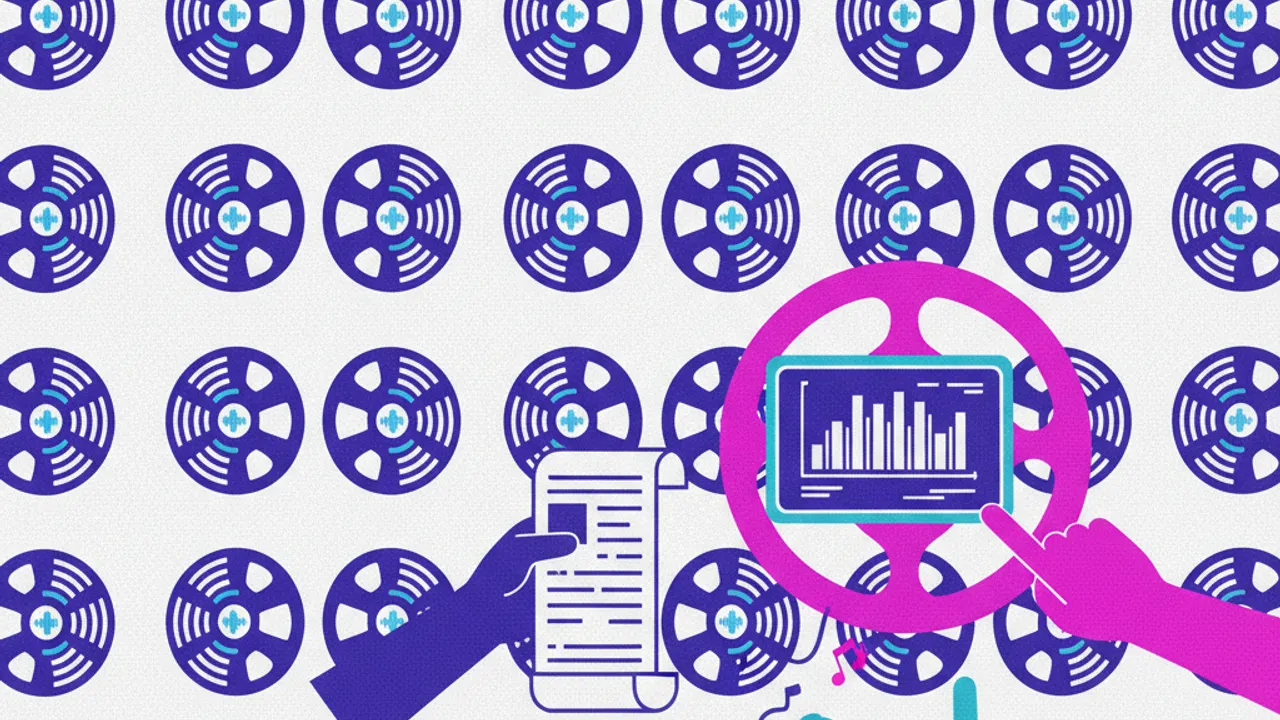
(KI-generiertes Symbolbild: Gemini / AI Connect)

Following months of legal disputes, the music industry is shifting from confrontational lawsuits toward structured licensing models. Universal Music Group and the AI platform Udio have entered into a strategic agreement to build a commercial creation platform based on licensed catalog material. This initiative aims to ensure that copyrighted works are no longer used for AI training without proper compensation. Artists will receive direct royalties and profit-sharing options whenever their tracks or musical styles serve as the foundation for synthetic titles.

Alongside commercial agreements, the music industry is tightening eligibility criteria for official streaming charts. An alliance comprising major music labels Universal Music Group, Sony Music, and Warner Music has established binding rules for AI-generated tracks. Songs containing synthetic components will only be admitted if producers provide complete proof that all training data was legally licensed. Furthermore, original rights holders must explicitly consent to the specific synthetic use of their material.

On the legislative front, two key initiatives in the US Congress accompany these industry agreements. The Transparency and Responsibility for AI Networks Act forces AI developers to disclose all data used in model training. Rights holders gain the transparency needed to identify and legally challenge unauthorized uses of their copyrighted content. This disclosure mandate addresses a long-standing evidentiary gap that previously created severe obstacles for creators.

Complementing this, the NO FAKES Act aims to protect performers from unauthorized exploitation of their personal identity and artistic output. The legislation establishes strict protections for voices and visual likenesses against unauthorized digital replication. Synthetic duplicates cannot be created or commercially distributed without explicit prior consent from the affected individuals. This framework prevents synthetic voice clones and digital replicas from flooding the market without compensation.

These changing parameters are also reflected in broader copyright rulings across the creative industries. The U.S. Copyright Office reinforced that purely AI-generated works cannot receive copyright protection due to the lack of human authorship. Consequently, film studios and music producers primarily utilize generative tools as supportive assistants for post-production or storyboarding. Securing human authorship remains the essential prerequisite for the commercial exploitability of creative works.

What this means for you

For content creators, this shift marks the end of a legal grey area. Anyone wishing to commercialize AI tools must rely on licensed platforms to avoid copyright infringement liability. Pure AI outputs lacking human creative input remain unprotected by copyright, limiting their long-term commercial value.

Perspectives

Coverage: 1× US · 2× Other

One story, several angles: how each source frames the topic, each with a verbatim quote.

Leaning: 1× Government

  • universalmusic.comOther

    Universal Music Group highlights the settlement of litigation with Udio and new licensing agreements as an opportunity to establish a protected AI ecosystem with new revenue streams for artists.

    Original quote

    settled copyright infringement litigation and will collaborate on an innovative, new commercial music creation

    universalmusic.com
  • marketplace.orgOther

    The article highlights the initiative by major music labels to enforce clear conditions for AI-generated music to be eligible for charts.

    Original quote

    A group of major record labels proposed qualifications for AI music to be chart-eligible.

    marketplace.org
  • dean.house.govGovernmentUS

    The report focuses on a bipartisan bill designed to give creators transparency into whether their copyrighted work was used for AI training.

    Original quote

    introduced a bipartisan bill to help musicians, artists, writers, and other creators determine if their copyrighted work was used

    dean.house.gov

Source classification is maintained editorially (political spectrum only where consensus is broad; vendor communication is PR, not journalism). Unlabelled sources are unclassified: we do not guess.

Evidence

Solidly sourced
62/100
  • Universal Music Group and Udio agreed on a new commercial creation platform backed by licensed UMG catalog material.

    single source
  • A coalition of UMG, Sony, and Warner requires proof of licensed training data as a condition for official streaming chart eligibility.

    single source
  • The TRAIN Act forces AI developers to disclose model training datasets to copyright holders.

    single source

The evidence score is computed, not hand-set: from confidence, the number of sources and the share of verified statements.

Source & transparency

As of: August 09, 2026

AI-assistedAI-assisted, editorially reviewed

Sources
3
Verified statements
0 / 3
Evidence score
62Solidly sourced

Want to put this into practice?

We connect you with suitable AI providers from the DACH region, free of charge and without obligation.

What's next?