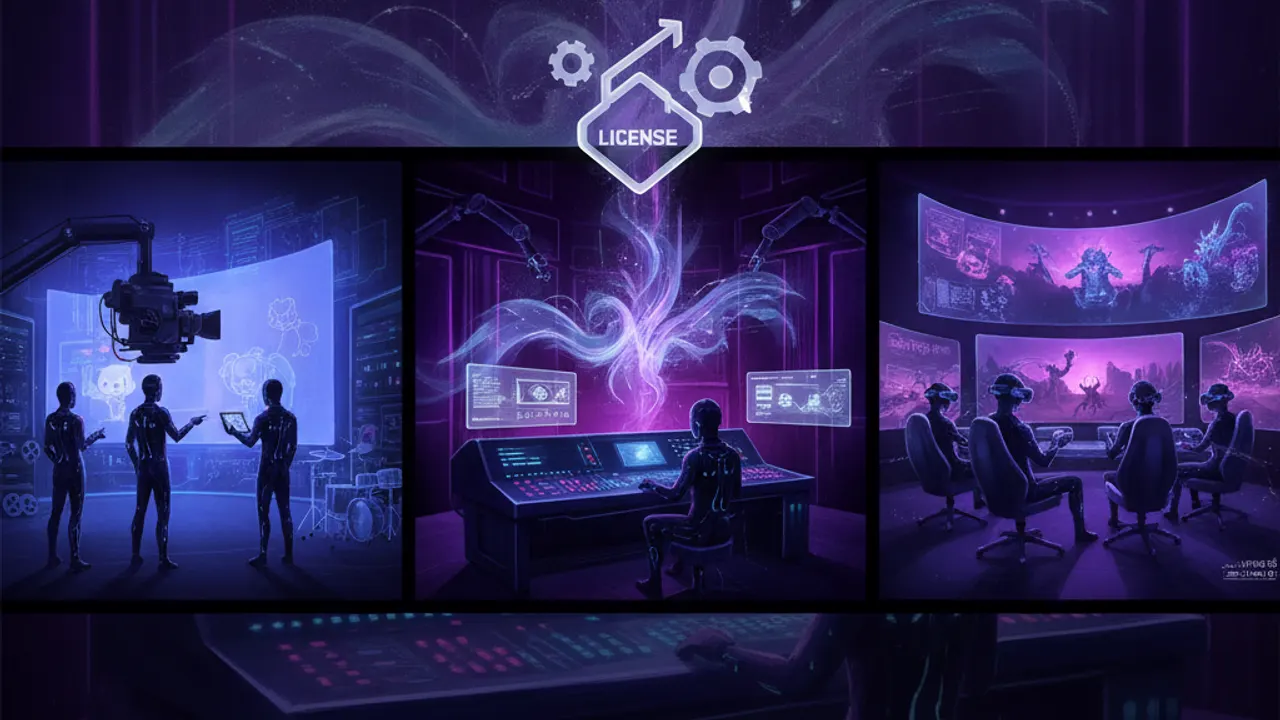
The Hollywood film industry is currently undergoing a fundamental shift in its approach to artificial intelligence. Following a period of uncertain and often unregulated experimentation, multi-billion dollar licensing contracts and clear contractual frameworks are now shaping the market. Studios are seeking to protect their valuable intellectual property while actively utilizing new technical tools for their productions.
A central milestone in this transition is the partnership between The Walt Disney Company and OpenAI. Disney is investing one billion US dollars in equity in OpenAI alongside a three-year licensing agreement. Under this deal, users of the Sora video generator gain access to generate short videos featuring over 200 licensed characters from the Disney, Pixar, Marvel, and Star Wars universes.
However, the agreement sets strict boundaries to safeguard human talent and intellectual property. The voices and likenesses of real actors are strictly excluded from content generation. Furthermore, OpenAI is prohibited from using Disney IP for unauthorized general model training.
Hollywood studio Lionsgate is pursuing a different strategic path through its alliance with AI video developer Runway. Known for major franchises like The Hunger Games and John Wick, Lionsgate has made its library of over 20,000 film and TV titles available to train a proprietary AI model specifically for the studio.
Lionsgate aims to achieve significant cost savings across its production pipelines with this initiative. The AI model will primarily assist in storyboarding, scene pre-visualization, and visual effects work. Additionally, both companies intend to co-develop brand-new AI-assisted entertainment formats.