
The impact of artificial intelligence on the European job market reveals a striking paradox in 2026. On one hand, demand for specialized talent with AI expertise continues to climb. According to the PwC AI Jobs Barometer, 1.3 percent of all job postings in Germany, representing approximately 125,000 open positions, now explicitly require AI competencies. Demand is particularly intense across STEM fields, the technology sector, and telecommunications companies.
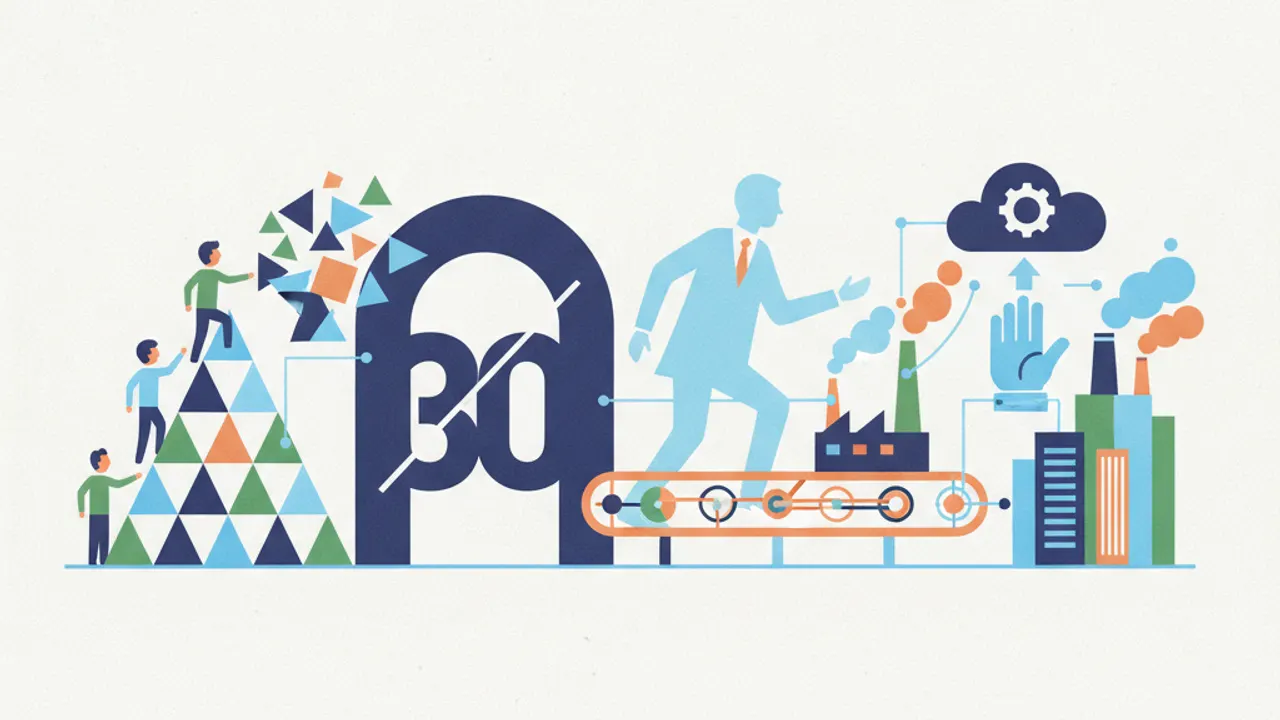
On the other hand, many organizations face a substantial gap between adopting basic AI tools and realizing genuine productivity gains. The Simon-Kucher European Growth Study reveals that 73 percent of surveyed companies currently utilize AI in less than 30 percent of their business processes. The research demonstrates that measurable financial and operational impacts emerge only when process penetration reaches between 30 and 50 percent.
Discrepancies also exist regarding reported productivity metrics across the market. While major software vendors like SAP cite efficiency gains of up to 30 percent, broader empirical data presents a more modest reality. Analyses by APRIORI HR:LAB indicate that average real productivity gains across the broader economy currently hover around 13 percent. Most enterprises have yet to unlock the full systematic yield of automated workflows.
At the same time, the deployment of automated systems in administrative functions is visibly altering hiring dynamics. Departments such as marketing, back-office administration, and customer service are experiencing a notable drop in new hires. Labor market experts in Germany and Switzerland describe this trend as emerging jobless growth, wherein corporate revenues expand without corresponding increases in headcounts.
However, the pace of this broad structural transformation is constrained by persistent shortages in technical talent. With over 100,000 vacant IT roles in Germany alone, organizations frequently lack the specialized staff required to execute deep automation projects. Consequently, the labor market remains caught between acute shortages of tech specialists and declining demand for traditional administrative roles.