
Skip to content
AI ConnectPowered by VELENTIS
AI-assisted2 min

Adoption in Germany: The Growing AI Divide Between Enterprises and SMEs

AI adoption in German companies reaches 41 percent according to Bitkom data, but a significant gap remains between large corporations and small or medium enterprises.

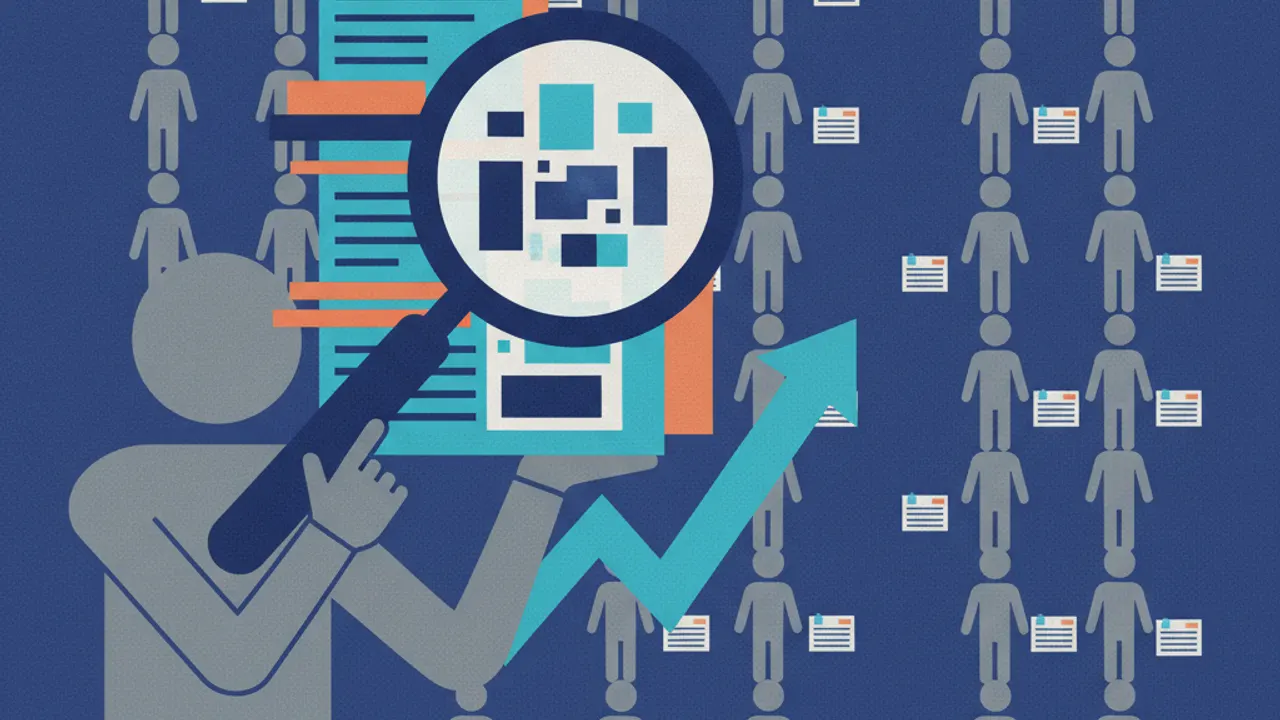
(KI-generiertes Symbolbild: Gemini / AI Connect)

The study Artificial Intelligence in Germany 2026 published by Bitkom in 2026 shows a significant rise in corporate AI adoption. 41 percent of German companies with 20 or more employees actively use AI technologies. Compared to the previous year, this marks a massive leap from just 17 percent. An additional 48 percent of surveyed firms are currently planning or discussing specific AI implementations. Only 11 percent of companies categorically rule out using AI systems.

The empirical data highlights a major divide between large corporations and small or medium enterprises. While usage among large firms with over 500 employees exceeds 60 percent, smaller companies continue to lag behind. Small and medium enterprises report an adoption rate of merely 23 to 25 percent. This widening gap threatens to hamper the competitiveness of mid-sized companies in the global market.

Supplementary figures provided by the Federal Statistical Office, Destatis, offer a broader market overview for 2025 and 2026. Measuring businesses with 10 or more employees, Destatis reports that 26 percent of all German companies utilize AI technologies. Among large corporations, Destatis records an adoption rate of 57 percent, alongside 36 percent for medium firms and 23 percent for small businesses.

Generative artificial intelligence remains a primary catalyst for this ongoing digital transformation. According to Bitkom, 56 percent of enterprises deploy tools such as ChatGPT or Microsoft Copilot within their workforce. Furthermore, 40 percent of businesses have integrated generative AI directly into their core business processes. The technology is rapidly shifting from experimental testing toward established operational infrastructure.

Despite widespread interest, many organizational and structural hurdles remain across the corporate landscape. Successful implementation demands financial capital as well as systematic adjustments to internal workflows and data structures. Consequently, medium-sized businesses often hesitate to execute large-scale rollouts. Industry analysts recommend initiating targeted pilot initiatives to facilitate adoption without incurring unmanageable operational risks.

What this means for you

For readers, this trend implies that practical AI skills are becoming essential in daily business operations. Companies lagging behind risk losing their competitive position in the medium term. Employees should familiarize themselves early with generative tools to enhance their standing within their organizations.

Perspectives

Coverage: 3× EU

One story, several angles: how each source frames the topic, each with a verbatim quote.

Leaning: 1× Industry body

  • skill-sprinters.deEU

    The article emphasizes that behind the positive overall figures lies a clear gap between large corporations and small-to-medium enterprises, pointing out hidden costs and workforce consequences.

    Original quote

    Im Mittelstand und bei kleineren Firmen liegt sie deutlich darunter.

    skill-sprinters.de
  • statistiken-aktuell.deEU

    The source presents statistical data on the AI adoption gap between large corporations and smaller businesses, outlining drivers, use cases, as well as regulatory and organizational hurdles.

    Original quote

    Laut Destatis-Erhebung 2025 nutzen 26 % der deutschen Unternehmen Künstliche Intelligenz

    statistiken-aktuell.de

Source classification is maintained editorially (political spectrum only where consensus is broad; vendor communication is PR, not journalism). Unlabelled sources are unclassified: we do not guess.

Evidence

Well sourced
83/100

The evidence score is computed, not hand-set: from confidence, the number of sources and the share of verified statements.

Source & transparency

As of: March 01, 2026

AI-assistedAI-assisted, editorially reviewed

Sources
3
Verified statements
4 / 4
Evidence score
83Well sourced

Want to put this into practice?

We connect you with suitable AI providers from the DACH region, free of charge and without obligation.

What's next?